Table of Contents
Introduction: Why Oak Cabinets Are Making a Major Comeback
Walk into any home design showroom today, and you’ll notice something surprising — oak is back. After years of being overshadowed by painted MDF cabinets and sleek, minimalist maple finishes, oak kitchen cabinets are reclaiming their rightful place at the heart of the home. And nowhere is this revival more dramatic than in the rustic kitchen with oak cabinets aesthetic that designers and homeowners alike are embracing with renewed enthusiasm.
But before you rush out and commit thousands of dollars to oak cabinetry, you deserve the full, unfiltered picture. Oak is not a perfect material. It has real strengths and real limitations, and the wrong choice in the wrong kitchen can lead to expensive regret. This guide gives you the honest pros and cons — no fluff, no marketing spin — so you can make the smartest investment for your home.
Whether you’re renovating a farmhouse, designing a mountain retreat, or simply drawn to the warmth of natural wood grain, this article will help you decide if oak is truly the right choice for your kitchen cabinets.
What Makes Oak a Unique Cabinet Material?
Before diving into pros and cons, it helps to understand what you’re actually working with. Oak is a hardwood that comes in two primary varieties used in cabinetry: Red Oak and White Oak.
Red Oak is the more traditional choice. It has a warm, pinkish-red undertone and a prominent, open grain pattern that gives it a distinctly bold appearance. It’s widely available, which makes it more affordable than many other hardwoods.
White Oak has gained enormous popularity in recent years thanks to its cooler, more neutral tone — closer to gray or beige — and a slightly tighter grain pattern. White oak pairs beautifully with modern and transitional design styles, and it takes stains more evenly than red oak.
Both species share key characteristics: they are dense, heavy, and extremely hard. On the Janka hardness scale (the standard measure of wood hardness), red oak scores 1,290 and white oak scores 1,360 — significantly harder than cherry (950), walnut (1,010), and even some exotics. This density is precisely why oak has been used in high-stress applications from ship building to wine barrels for centuries.
Understanding this foundation makes every pro and con on this list make a lot more sense.
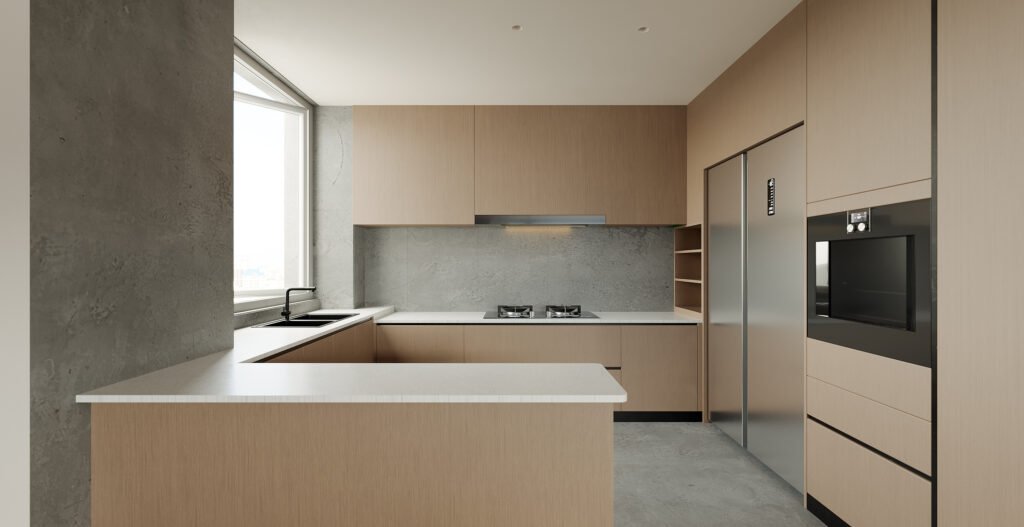
The Honest Pros of Oak Kitchen Cabinets
1. Exceptional Durability That Outlasts Trends
This is the single most compelling argument for oak cabinets: they last. Properly built and maintained, oak kitchen cabinets can survive decades of heavy daily use — slamming doors, steam from boiling pots, splashing water, and the general chaos that unfolds in a busy kitchen.
Unlike MDF or particleboard cabinets wrapped in thermofoil, solid oak resists denting, chipping, and peeling. The wood won’t delaminate. It won’t buckle or warp under moderate moisture exposure the way softer woods might. Many homeowners report that their oak cabinets, installed in the 1980s or 1990s, are still structurally sound — needing nothing more than a fresh coat of stain or paint to look like new.
This durability translates directly into long-term value. When you factor in the cost per year of use, high-quality oak cabinets often prove more economical than cheaper alternatives that need replacement after 10–15 years.
2. The Natural Grain Creates Character No Manufactured Product Can Replicate
One of the most defining features of oak is its bold, open-grain pattern. The medullary rays — the ribbon-like streaks that run perpendicular to the growth rings — create a visual texture that is unique to every single board. No two oak cabinets look exactly alike.
This natural variation is the defining feature of a stunning rustic kitchen with oak cabinets. The grain tells a story. It brings life, warmth, and organic beauty to a space in ways that painted cabinets or engineered wood simply cannot. In an era where so much of our built environment feels artificial and mass-produced, the authenticity of oak grain resonates deeply.
Designers specifically seek out this characteristic when creating kitchens that feel grounded, lived-in, and genuinely comfortable. The grain is not a flaw to be hidden — it’s the main attraction.
3. Versatility Across Multiple Design Styles
While oak has a natural affinity for rustic, farmhouse, and craftsman aesthetics, it’s far more versatile than many people assume. The secret lies in how it’s finished:
- Natural or honey-toned stain: Creates a warm, traditional, or rustic look — perfect for farmhouse kitchens, mountain cabins, and cottage-style homes.
- Gray stain or whitewash: Transforms oak into a modern, Scandinavian-inspired look. The gray tones in white oak respond especially well to this treatment.
- Painted finish (white, navy, black): Painting oak cabinets gives you the substance of solid wood while achieving any color you want. The grain subtly telegraphs through paint, adding texture even to solid colors.
- Wire-brushed or distressed finish: Enhances the rustic quality intentionally, creating a look that feels authentically aged and full of character.
This design flexibility means that an investment in oak cabinets doesn’t lock you into a single aesthetic for the life of the kitchen. As your tastes evolve, so can the finish.
4. Relatively Affordable Among Hardwoods
Quality hardwood cabinetry is never cheap. But compared to its luxury wood counterparts, oak represents genuine value. Cherry, walnut, and maple cabinets all tend to cost significantly more — sometimes 30–60% more per linear foot — for comparable construction quality.
Red oak in particular is widely grown in North American forests, which keeps the supply stable and the price accessible. For homeowners who want the authenticity of solid hardwood without the premium price of more exotic species, oak is the sweet spot.
White oak has become slightly more expensive in recent years due to its surging popularity in high-end design, but it remains more affordable than walnut or cherry.
5. Easy to Refinish and Repair
Here is a practical advantage that becomes invaluable over time: oak is easy to sand, stain, and refinish. Unlike painted MDF cabinets that must be replaced when they chip, scratched or faded oak cabinets can be brought back to life with sandpaper and fresh stain.
This repairability makes oak cabinets an especially smart investment for families with young children, pet owners, or anyone who uses their kitchen intensively. A professional can refinish oak cabinets for a fraction of the cost of replacement, effectively giving you a brand-new kitchen at minimal expense.
Many homeowners have transformed dated honey-oak kitchens from the 1990s into sophisticated, contemporary spaces simply by sanding and applying a fresh white or gray stain — without replacing a single cabinet box or door.
6. Environmentally Responsible Choice
Oak is one of the most sustainably managed timber species in North America. Most red and white oak used in cabinetry is sourced from well-managed forests in the eastern United States, where oak is abundant and replanting is standard practice.
For eco-conscious homeowners, choosing solid oak from a certified sustainable supplier is a genuinely responsible decision — far more so than engineered wood products that rely on formaldehyde-laden adhesives and non-renewable synthetic materials.
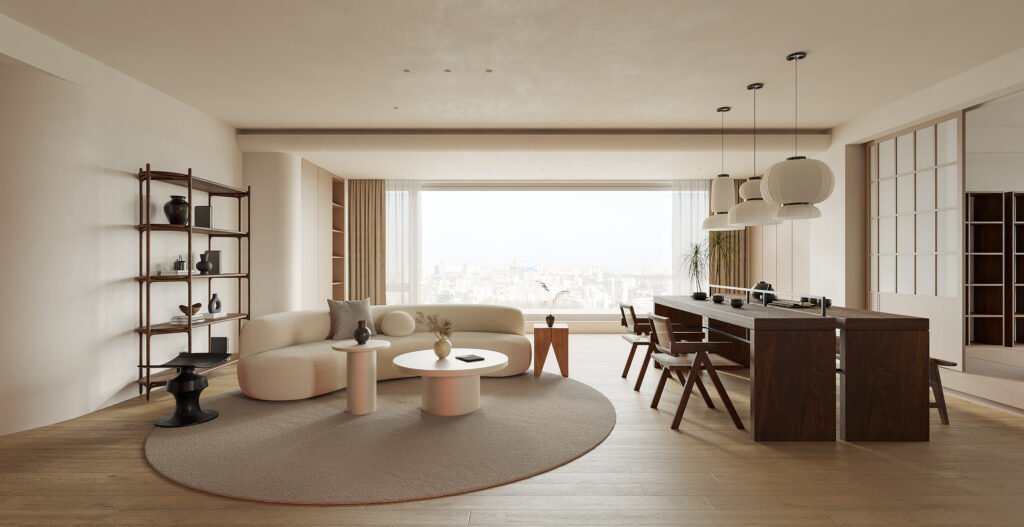
The Honest Cons of Oak Kitchen Cabinets
1. The Grain Is Bold — and That’s Not for Everyone
The same open grain that makes oak so distinctive can also feel overwhelming in certain kitchen designs. The strong, pronounced lines of red oak in particular can make a small kitchen feel busy or visually heavy.
In contemporary kitchens that favor clean lines, smooth surfaces, and a more restrained visual palette, oak’s assertive grain can work against the aesthetic. This is why homeowners pursuing a sleek, minimalist look often gravitate toward maple (which has a finer, more uniform grain) or painted cabinets that completely hide the wood texture.
The lesson: don’t choose oak because it’s wood. Choose oak because you specifically love what oak looks like. Look at real photos and real samples in real lighting conditions before committing.
2. Red Oak’s Pink Undertones Can Clash with Certain Color Palettes
Red oak has a distinctly warm, reddish-pinkish undertone that can be polarizing. It pairs beautifully with warm color schemes — honey yellows, earthy greens, terracotta, and deep browns — but it can clash badly with cool-toned grays, blues, and modern stainless steel appliances.
This is one reason why white oak has so thoroughly displaced red oak in high-end design circles. White oak’s neutral undertones make it far more harmonious with a wider range of countertop, backsplash, and appliance colors.
If you love red oak but have a cooler color palette, there are solutions: a gray-toned stain can neutralize the pink, and careful countertop selection (white quartz, pale limestone, or warm cream granite) can bridge the gap.
3. Oak Is Heavy — Installation and Hardware Demand More
Oak’s density is both a virtue and a challenge. Solid oak cabinet doors are heavy. This matters in two practical ways:
First, the hinges and hardware must be rated for higher weight loads than those used with lighter wood species. Cheap hardware will fail prematurely on solid oak doors, leading to sagging, misaligned doors that won’t close properly.
Second, the cabinet boxes and the wall structure supporting them must be properly reinforced. This is especially relevant for upper wall cabinets. Solid oak uppers require robust mounting into wall studs — not just drywall anchors — and a structurally sound cabinet box.
These are solvable problems, but they add to installation complexity and cost. Budget for high-quality soft-close hinges rated for heavy doors, and ensure your installer understands the specific demands of solid hardwood.
4. Oak Requires Consistent Maintenance
Oak is durable, but it’s not invincible. It requires periodic care to maintain its beauty and structural integrity over time. Specifically:
- Sealing is essential: Unfinished or improperly sealed oak will absorb moisture, swell, and potentially develop mold in a kitchen environment. All oak cabinets must be properly sealed with an appropriate finish — lacquer, polyurethane, or conversion varnish are common choices.
- Annual inspection: Check seals around the cabinet frames near sinks and dishwashers annually. Any breach in the finish near a moisture source should be addressed promptly.
- Cleaning discipline: Harsh chemical cleaners can damage oak’s finish. A damp cloth with mild soap is the safest routine cleaner. Avoid leaving standing water on any wood surface.
Homeowners who want truly zero-maintenance cabinetry may be better served by thermofoil-wrapped MDF or high-pressure laminate. Oak rewards attentiveness.
5. Oak Can Feel “Dated” When Not Styled Thoughtfully
Let’s address the elephant in the room: honey-oak cabinets with brass hardware and beige countertops are a 1990s kitchen cliché. When people say they “hate oak cabinets,” they’re usually reacting to this specific, poorly styled version of oak — not to the wood itself.
The danger is real, though. If you install oak cabinets with outdated styling choices, the kitchen can look dated almost immediately. The solution is intentional design: pairing oak with current hardware finishes (unlacquered brass, matte black, or brushed nickel), modern countertop materials (white quartz, leathered quartzite, or honed marble), and fresh color choices on walls and backsplash.
Done right, a rustic kitchen with oak cabinets feels timeless rather than dated. Done carelessly, it can look like a time capsule from three decades ago.
How to Design a Stunning Rustic Kitchen with Oak Cabinets
Now that you understand the trade-offs, let’s focus on the winning formula — because when it’s done well, a rustic kitchen with oak cabinets is one of the most beautiful and enduring kitchen styles there is.
Choose the Right Oak Species for Your Aesthetic
For a warm, traditional rustic kitchen: Red Oak with a medium honey or walnut stain delivers classic charm. Pair it with oil-rubbed bronze hardware, butcher block countertops, and a subway tile or hand-pressed ceramic backsplash.
For a modern rustic or transitional kitchen: White Oak with a light wire-brushed natural finish creates an elevated, contemporary version of rustic style. Pair it with matte black hardware, white quartz or marble countertops, and a neutral zellige tile backsplash.
Hardware Makes or Breaks the Look
Hardware is the jewelry of your kitchen. For a rustic kitchen with oak cabinets:
- Matte black pulls: Sharply modern, creates high contrast against natural oak tones
- Unlacquered brass: Rich, warm, and distinctly artisanal — develops a natural patina over time
- Aged bronze or copper: Perfect for a deep, traditional rustic feel
- Brushed nickel: More neutral, works with both warm and cool palettes
Avoid polished chrome, which tends to feel too cold against the warmth of oak grain.
Counter Material Pairings That Elevate Oak
The countertop you choose will make or break the overall look:
| Countertop Material | Pairing Result |
|---|---|
| White or cream quartz | Crisp contrast, modern-rustic balance |
| Butcher block (end grain) | Deeply warm, traditional farmhouse |
| Honed black granite | Dramatic, bold, sophisticated |
| Leathered quartzite | Earthy texture, luxurious rustic |
| Soapstone | Cool-gray contrast with rich depth |
Layer in Natural Textures
The magic of a rustic kitchen lies in texture layering. Oak cabinets give you an incredible foundation. Build on them with:
- Exposed wood beams on the ceiling — echoes the cabinet material and adds architectural drama
- Stone or brick backsplash — hand-set ledgestone or reclaimed brick is stunning behind oak
- Open shelving in matching oak — mix open and closed storage for a layered, collected look
- Woven pendant lights or wrought iron fixtures — organic shapes complement the wood’s natural character
- Farmhouse sink — an apron-front sink in fireclay white or aged copper is a perfect rustic anchor
Lighting: The Factor Most People Underestimate
Oak changes dramatically under different lighting conditions. In warm incandescent or LED light (2700–3000K), oak glows with amber richness. In cool daylight (5000K+), it can look flat or even greenish.
For a rustic kitchen with oak cabinets, aim for warm-temperature LED lighting throughout: under-cabinet strips, pendant fixtures over the island, and recessed can lights set to warm white. This lighting temperature will make your oak cabinets look spectacular in photos and in daily life.
The Flooring Equation
Should your kitchen floor match your oak cabinets? Generally, the answer is no — and yes. Rather than matching wood species and stain exactly (which creates a flat, monotonous look), aim for complement with contrast:
- Light stone or porcelain tile: Creates contrast that makes both the floor and cabinets pop
- Darker wood floors: If going wood-on-wood, choose a floor that’s either significantly darker or lighter than the cabinets
- Brick or terracotta tile: Incredibly beautiful with rustic oak — especially in warm terra tones
Oak vs. Other Cabinet Wood Species: How Does It Stack Up?
| Feature | Oak | Maple | Cherry | Walnut |
|---|---|---|---|---|
| Hardness (Janka) | 1,290–1,360 | 1,450 | 950 | 1,010 |
| Grain Visibility | Very prominent | Fine, subtle | Medium | Medium |
| Color Range | Honey to gray | Pale cream | Rich reddish-brown | Chocolate brown |
| Price (relative) | $ to $$ | $$ | $$$ | $$$$ |
| Refinishing | Excellent | Good | Good | Good |
| Rustic Suitability | Excellent | Poor | Good | Good |
| Trend Longevity | High | Medium | High | High |
For rustic aesthetics specifically, oak has no serious competitor at its price point. Walnut delivers similar warmth and character at a much higher cost. Cherry is beautiful but too refined for most rustic styles. Maple’s fine grain lacks the visual energy that makes rustic kitchens so compelling.
Real Homeowner Scenarios: Is Oak Right for Your Kitchen?
You’re renovating a 1920s farmhouse and want authenticity: Oak is nearly ideal. Go with quarter-sawn white oak for authentic period character, or hand-scraped red oak for maximum rustic drama. Either will honor the home’s heritage.
You’re building a new contemporary home but love natural wood: White oak with a light natural or blonde stain gives you the warmth of wood with a modern, clean aesthetic. Pair with flat-front Shaker doors and minimal hardware.
You have young children and a high-traffic kitchen: Oak’s durability and refinishability make it one of the best choices. It can take a beating and be restored. Just ensure proper sealing and use quality hardware rated for heavy use.
You’re flipping a house and need a reliable investment: Oak cabinets, well-styled with current hardware and countertops, photograph beautifully and appeal broadly to buyers. Avoid honey-toned stain with dated hardware — go light, neutral, and contemporary for maximum appeal.
You want zero maintenance: Consider painted maple or thermofoil alternatives. Oak rewards care but requires it.
How to Maintain Your Oak Cabinets for Decades of Beauty
- Daily: Wipe spills immediately. Use a soft, damp cloth — never abrasive scrubbers.
- Weekly: Clean with a mild dish soap solution; dry immediately with a clean cloth.
- Annually: Inspect the finish, especially near the sink and dishwasher. Lightly sand and refinish any areas where the seal is compromised.
- Every 10–15 years: Consider a full professional refinish to restore the wood’s depth and beauty.
- Never: Use ammonia-based cleaners, bleach, or steam cleaners on oak cabinets.
Frequently Asked Questions About Oak Kitchen Cabinets
Are oak cabinets out of style? No — oak cabinets are very much in style, particularly white oak. The outdated versions people associate with the 1990s were about styling choices, not the wood itself. Well-designed oak kitchens are among the most sought-after in today’s design market.
Do oak cabinets add value to a home? Yes, quality hardwood cabinetry — including oak — consistently ranks among the top kitchen features that increase home resale value. Buyers recognize and pay a premium for solid wood.
Can I paint my oak cabinets? Absolutely. Oak takes paint well when properly primed. The grain may telegraph subtly through the paint, which adds texture many homeowners find appealing. For a completely smooth surface, use a grain-filling primer before painting.
What’s the best stain for a rustic kitchen with oak cabinets? For warm rustic: Early American or Provincial by Minwax. For cooler rustic: Weathered Oak or Classic Gray. For modern rustic: a custom wire-brushed natural finish with no added stain.
Is white oak or red oak better for kitchen cabinets? Both are excellent. White oak is currently more fashionable and versatile for a wider range of color palettes. Red oak is more traditional and slightly more affordable. Choose based on your specific design direction.
Final Verdict: Should You Choose Oak for Your Kitchen Cabinets?
Oak kitchen cabinets are among the most rewarding investments you can make in your home — provided you go in with clear eyes about what you’re getting.
Choose oak if: You love the warmth and character of visible wood grain, you value durability and longevity, you’re drawn to rustic, farmhouse, craftsman, or modern-natural aesthetics, and you’re willing to invest in proper finishing and periodic maintenance.
Choose an alternative if: You prefer a completely smooth, grain-free surface; your design direction is ultra-minimalist; or you truly want zero maintenance cabinetry.
For homeowners who dream of a rustic kitchen with oak cabinets — rich with wood grain, textured surfaces, warm lighting, and organic materials — oak is not just a good choice. It may be the perfect one. The key is intentional design: pair it thoughtfully, finish it correctly, and maintain it consistently. Do that, and your oak kitchen will not only look stunning on day one — it will look even better on year thirty.