Table of Contents
Everything you need to know before choosing ash wood cabinets — from grain patterns and finishes to cost, care, and expert design tips.
Ash kitchen cabinets are one of the most underrated choices in kitchen design. While oak and maple grab the headlines, savvy homeowners and interior designers have long known that ash wood offers a rare combination of striking grain patterns, exceptional durability, and unmatched versatility — qualities that make it perfect for everything from a rustic farmhouse kitchen to a sleek contemporary space.
Whether you’re doing a full kitchen remodel or simply replacing cabinet fronts, this guide covers everything you need to make a confident, informed decision. From understanding the difference between white ash and green ash, to comparing costs, finishes, and maintenance requirements — consider this your definitive reference for ash kitchen cabinets.
1. What Are Ash Kitchen Cabinets?
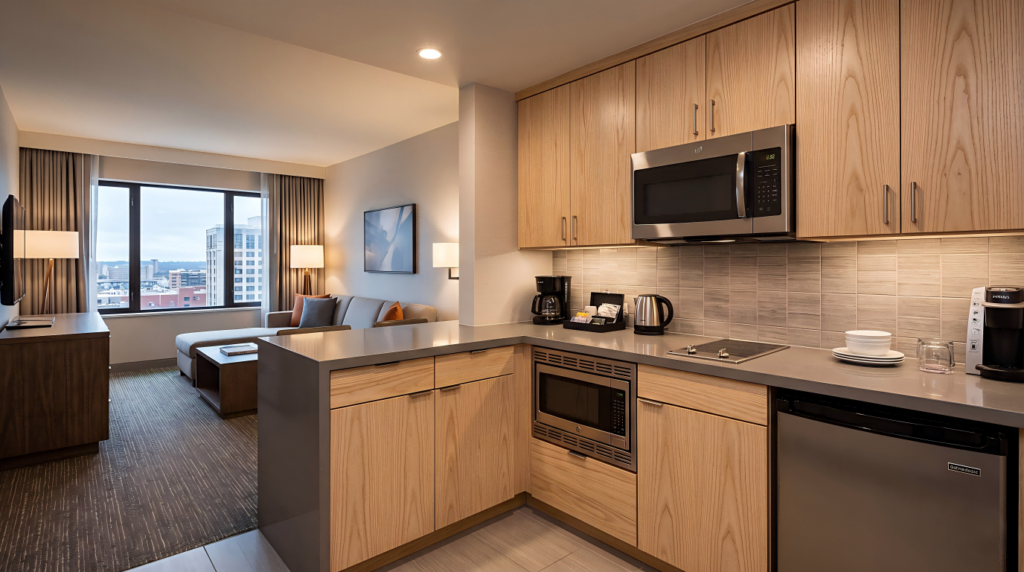
Ash kitchen cabinets are cabinets crafted from ash wood (genus Fraxinus), a hardwood native to North America and Europe. The wood is known for its prominent, straight grain — similar to oak but lighter in tone — and for its exceptional mechanical strength that rivals hickory and hard maple.
Ash has been used in furniture-making, flooring, and cabinetry for centuries. In kitchens specifically, its appeal lies in how well it accepts stains and paints, allowing homeowners to achieve virtually any look — from natural blonde tones to deep espresso or pure-white painted finishes.
“Ash is the chameleon of cabinet woods. You can leave it natural for a Scandinavian minimalist look, stain it dark for drama, or paint it white for a bright transitional kitchen — and it performs beautifully in all three cases.”
— Sarah Nguyen, Certified Kitchen Designer (NKBA)
Why Ash Is Gaining Popularity
Following the devastating spread of the Emerald Ash Borer (EAB) beetle across North America, large quantities of ash lumber became available on the market, temporarily making ash more affordable than many competing hardwoods. At the same time, design trends shifted toward lighter, airy kitchens — a look ash achieves naturally. The result: ash cabinets are experiencing a genuine design renaissance.
Pro TipBecause ash has a bold, open grain similar to oak, it works exceptionally well with wire-brushed or “cerused” finishes that highlight the grain texture — a trending technique in 2024–2025 kitchen design.
2. Types of Ash Wood Used in Kitchen Cabinets
Not all ash is the same. When shopping for ash kitchen cabinets, you’ll encounter several different species and cut types that affect grain appearance, color, and price.
White Ash (Fraxinus americana)
The most common species used in North American cabinetry. White ash features a creamy white to light brown heartwood with a pale sapwood that often contrasts beautifully. Its grain is consistently straight and coarse, making it ideal for furniture-style cabinetry with visible wood character.
Black Ash (Fraxinus nigra)
Darker and slightly softer than white ash, black ash has a more subtle grain pattern. It’s less common in cabinetry but increasingly popular in custom cabinet shops looking for a premium, exotic-feeling wood at a moderate price point.
European Ash (Fraxinus excelsior)
Imported from European forests, European ash tends to have a lighter, more uniform appearance. It’s frequently seen in Scandinavian-influenced kitchen designs and often sold under brand names like “Nordic Ash” or “European Limed Ash.” Expect a premium price for this variety.
Figured Ash & Olive Ash
Occasionally, ash lumber will display unusual figuring such as curly grain, bird’s-eye patterns, or the dramatic brown streaks that characterize “olive ash.” These figured boards command a significant premium but produce truly stunning cabinet doors that serve as focal points in any kitchen.
Cabinet Grade vs. Character GradeWhen ordering ash cabinets, specify whether you want “select grade” (minimal knots, uniform grain) or “character grade” (natural knots, color variation). Character grade costs less and creates a more rustic, authentic aesthetic.
3. Pros and Cons of Ash Kitchen Cabinets
Like any material, ash wood has distinct advantages and limitations. Understanding both helps you make the right choice for your specific kitchen and lifestyle.
✅ Advantages
- Exceptional hardness and impact resistance
- Beautiful, bold grain that photographs well
- Takes stains, paints, and finishes beautifully
- More affordable than walnut or teak
- Naturally shock-resistant — won’t dent easily
- Lighter color tones brighten kitchen spaces
- Wide availability in North America
- Works well with wire-brushed and limed finishes
- Stable wood — minimal seasonal movement
- Sustainably sourced options widely available
❌ Disadvantages
- Open grain can trap grease and dirt
- Requires grain filler before painting
- Susceptible to moisture if not sealed properly
- Heavier than MDF or plywood cabinet boxes
- Can yellow slightly with oil-based finishes
- Limited supply from some regions due to EAB
- Not ideal for ultra-smooth, lacquer-painted looks
- Requires periodic refinishing over decades
4. Popular Ash Cabinet Styles & Finishes
One of the greatest strengths of ash kitchen cabinets is how well they adapt to different design aesthetics. Here are the most popular styles you’ll encounter in 2025:
Natural / Clear-Coat Ash
Sealing ash with a clear finish (water-based polyurethane or hardwax oil) preserves the wood’s natural blonde-to-tan coloring and makes the grain pop without adding color. This is the go-to choice for Scandinavian, modern farmhouse, and Japandi kitchen styles. The result is airy, warm, and organic.
White-Stained / Limed Ash
A liming technique pushes white pigment into the open grain, creating a bleached, driftwood appearance while keeping some wood texture visible. This finish is hugely popular in coastal kitchens and pairs beautifully with marble countertops, brass hardware, and navy or sage green paint on lower cabinets.
Wire-Brushed / Cerused Ash
Wire brushing removes the softer early-wood between the grain lines, creating a subtle three-dimensional texture. It adds tactile interest and visual depth — ideal for transitional and contemporary kitchens. Often combined with a light gray or greige stain.
Dark-Stained Ash
Stained in espresso, walnut, or ebony tones, ash can mimic the look of more expensive hardwoods at a fraction of the cost. Dark ash cabinets pair exceptionally well with light quartz countertops, creating high contrast that suits contemporary and modern traditional kitchens.
Painted Ash Cabinets
Because ash has an open grain, painting requires a grain-filling primer first. Once properly prepped, painted ash cabinets are durable and beautiful — popular colors include classic white, soft sage green, navy blue, and warm greige tones. Note that ash won’t achieve quite the ultra-smooth finish of MDF, which can be a feature (natural texture) or a bug (if you want perfectly smooth).
2025 Trending Finishes for Ash CabinetsInterior designers are currently loving greige wire-brushed ash for upper cabinets paired with natural ash or unlacquered brass-hardware-adorned limed ash on lowers — creating a tonal, layered look that feels bespoke without being overwhelming.
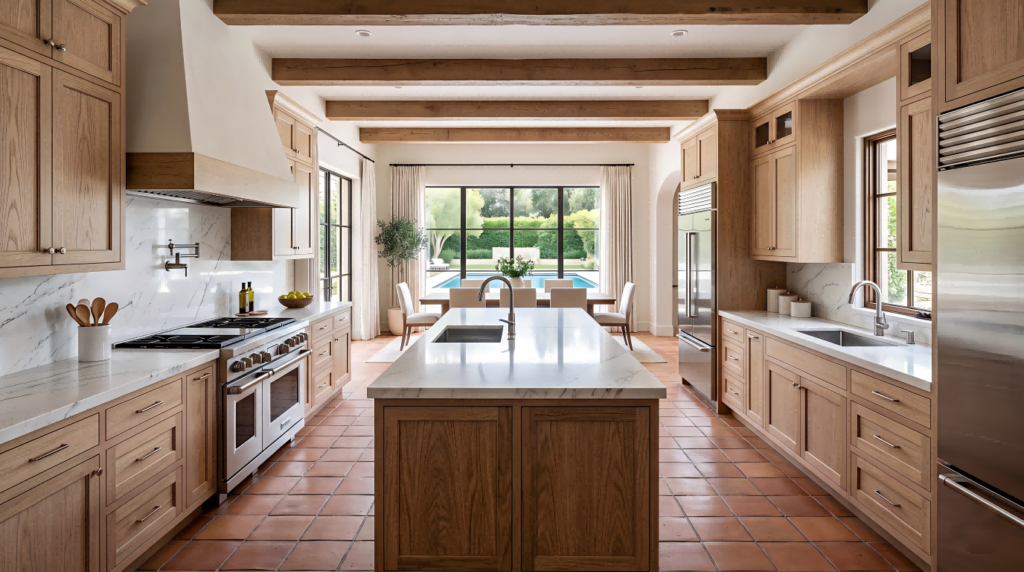
5. Ash Kitchen Cabinet Cost & Pricing Guide
Understanding the true cost of ash kitchen cabinets requires looking at several variables: cabinet type (stock, semi-custom, or custom), door style, finish, and installation.
| Cabinet Type | Price Range (per linear ft.) | Lead Time | Best For |
|---|---|---|---|
| Stock Ash Cabinets | $80 – $180 | 1–2 days | Budget renovations, rentals |
| Semi-Custom Ash Cabinets | $180 – $380 | 4–8 weeks | Most homeowners |
| Custom Ash Cabinets | $380 – $650+ | 8–16 weeks | High-end remodels |
| RTA (Ready to Assemble) | $60 – $150 | 1–2 weeks (shipped) | DIY, cost-conscious buyers |
Full Kitchen Ash Cabinet Cost Breakdown
| Cost Item | Low Estimate | High Estimate | Notes |
|---|---|---|---|
| Ash Cabinet Materials (20 linear ft.) | $3,600 | $13,000 | Varies by type |
| Cabinet Hardware (handles, hinges) | $200 | $1,200 | Per kitchen |
| Professional Installation | $1,500 | $4,500 | $50–$200/hr |
| Finishing / Refinishing (if raw) | $400 | $1,500 | Staining + sealing |
| Total Typical Range | $5,700 | $20,200+ | Full kitchen |
Watch Out For Hidden CostsAlways ask your cabinet supplier whether the quoted price includes interior finishing, soft-close hinges, pull-out shelves, and drawer boxes. These add-ons can increase a quote by 30–50%.
6. Ash Kitchen Cabinets vs. Other Wood Species
How does ash stack up against other popular cabinet woods? This side-by-side comparison makes it easy to see where ash excels — and where other species might be a better fit.
| Wood Species | Hardness (Janka) | Relative Cost | Grain Visibility | Best Paint Candidate? | Stain Versatility |
|---|---|---|---|---|---|
| Ash | 1,320–1,500 | Moderate | Bold, open | With filler | ✓ Excellent |
| Oak | 1,290 | Low–Moderate | Bold, coarse | With filler | ✓ Very Good |
| Maple | 1,450 | Moderate | Subtle, closed | ✓ Excellent | Good (blotchy risk) |
| Cherry | 950 | Moderate–High | Fine, subtle | ✗ Not ideal | Good |
| Walnut | 1,010 | High | Wavy, medium | ✗ Waste of wood | Limited (too dark) |
| Hickory | 1,820 | Moderate | Very bold | ✗ Difficult | Limited by contrast |
| Pine | 870 | Low | Knotty, rustic | ✓ Good | Moderate |
Ash vs. Oak Cabinets
These two species are the most frequently compared. Both have bold, open grains and similar hardness. The key differences: ash is generally lighter in tone (oak can have a more yellow or pink undertone), ash accepts stain more evenly, and ash is increasingly priced competitively. Oak has the advantage of wider availability in pre-made stock cabinet lines. For a more modern look with a brighter, cleaner tone, ash usually wins.
Ash vs. Maple Cabinets
Maple is the undisputed champion for painted cabinets because its tight, closed grain accepts paint without the need for grain filler. If you want a perfectly smooth, ultra-white painted kitchen, maple edges out ash. However, if you want visible grain and warmth — natural, stained, or wire-brushed — ash is the superior choice.
7. Care & Maintenance of Ash Kitchen Cabinets
Properly maintained, ash kitchen cabinets can last 40 years or more. Here’s how to keep them looking their best:
Daily & Weekly Cleaning
- Wipe down cabinet surfaces with a damp (not wet) microfiber cloth — never soaking wet.
- Use a mild dish soap diluted in water for grease spots; rinse with a clean damp cloth immediately.
- Avoid abrasive scrubbers, bleach, ammonia, or acetone-based cleaners that can damage the finish.
- Dry cabinet surfaces after cleaning — never leave standing water near the wood.
Protecting the Finish
- Apply a quality paste wax or cabinet polish every 6–12 months to maintain the protective finish and restore luster.
- Use cabinet bumpers on doors to prevent slamming, which can crack finish over time.
- Install a range hood to redirect cooking steam — prolonged steam exposure is the #1 enemy of ash cabinets above the stove.
Long-Term Refinishing
One major benefit of solid wood ash cabinets over thermofoil or laminate is that they can be refinished or restained. If after 15–20 years the finish looks worn, a professional can sand, stain, and reseal the doors without replacing the cabinet boxes. This dramatically extends the functional life of your investment.
Humidity WarningAsh is moderately stable but can swell in extremely humid conditions (above 70% RH). If you live in a high-humidity climate or have a kitchen with a dishwasher that vents toward cabinets, ensure proper sealing and ventilation to prevent swelling or delamination.
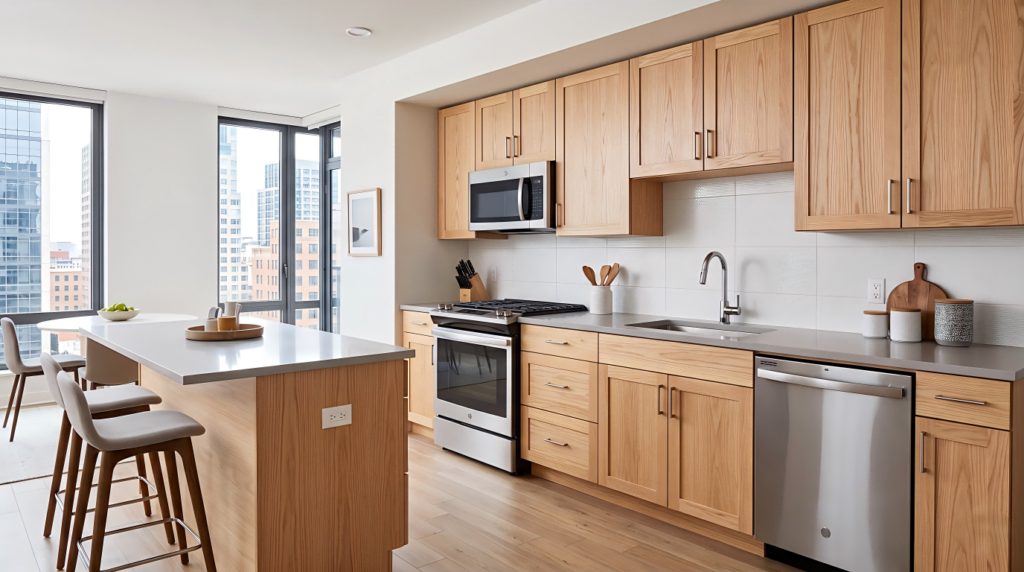
8. How to Choose & Buy Ash Kitchen Cabinets
Ready to shop? Use this step-by-step checklist to make the right purchase decision for your ash kitchen cabinets:
Step 1: Set Your Budget
Determine your total budget including cabinets, hardware, installation, and a 15% contingency. Stock cabinets suit tight budgets; semi-custom gives you more flexibility; full custom is ideal for unusual layouts or high-end finishes.
Step 2: Choose Cabinet Construction Type
The cabinet box (carcass) is usually made of plywood, particleboard, or MDF regardless of the wood species on the door. Always ask: “Are the cabinet boxes plywood or particleboard?” Plywood boxes are far more durable — especially critical near sinks and dishwashers.
Step 3: Select Your Door Style
- Shaker style — the most popular by far; works in any style kitchen
- Slab / flat front — sleek, modern; showcases ash grain on a full panel
- Raised panel — traditional; adds visual complexity
- Beadboard — rustic/cottage; requires painted finish
Step 4: Request Wood Samples
Always request physical stain samples applied to actual ash wood before committing. Ash grain interacts differently with each stain color, and the result often surprises buyers who only see digital renderings. View samples under your kitchen’s specific lighting (natural, overhead LED, etc.).
Step 5: Evaluate Supplier Credentials
- Look for KCMA (Kitchen Cabinet Manufacturers Association) certification.
- Ask about warranty: doors and finishes should be covered for a minimum of 5 years.
- Check if the wood is sustainably sourced (FSC-certified ash is available).
- Read installer reviews specifically — even great cabinets fail with poor installation.
9. Ash Kitchen Cabinet Design Ideas & Inspiration
Need visual direction? Here are five of the most popular design directions for kitchens featuring ash cabinets in 2025:
1. Scandinavian Minimalist
Natural ash + white walls + concrete countertops + matte black hardware. The light tone of ash paired with a simple clear coat and ultra-minimal hardware creates that clean, breathable Nordic aesthetic. Flat-front or simple shaker doors work best here.
2. Modern Farmhouse
Limed or whitewashed ash + shaker doors + quartz countertops + brass fixtures + open shelving. The limed finish adds texture without going dark, giving just enough warmth to balance white quartz and stainless appliances.
3. Contemporary Contrast
Dark-stained ash lower cabinets + white uppers + dramatic island + waterfall edge stone. Dark ash (ebonized or espresso stain) provides visual weight at counter height, while lighter upper cabinets keep the space feeling open. The bold grain of ash adds organic texture that prevents the dark tone from feeling flat.
4. Transitional Classic
Wire-brushed ash + greige stain + cream painted uppers + oil-rubbed bronze hardware. This is the kitchen that will never feel dated — it blends the warmth of traditional design with modern material choices. The wire-brushed texture adds depth without the rustic-feeling of knotty woods.
5. Japandi (Japanese-Scandinavian)
Natural ash + slab doors + integrated handles + wabi-sabi ceramic accents + neutral stone. The Japandi trend — a hybrid of Japanese wabi-sabi aesthetics and Scandinavian minimalism — is perfectly suited to ash. The wood’s natural warmth and grain character provide exactly the kind of intentional imperfection at the heart of this design philosophy.
“In 2025, we’re seeing ash replace oak as the go-to ‘natural wood’ cabinet choice in high-end kitchen design. Its grain has the same visual interest as oak but a fresher, more contemporary feeling.”
— James Park, Interior Designer, Architectural Digest contributor
10. Frequently Asked Questions About Ash Kitchen Cabinets
Are ash kitchen cabinets durable enough for a busy family kitchen?
Absolutely. Ash has a Janka hardness rating of 1,320–1,500 lbf, making it harder than oak, cherry, and walnut. It can withstand the daily wear and tear of a busy kitchen — including impact from pots, pans, and the general chaos of family life — far better than softer woods or manufactured materials like MDF. Just ensure the finish is properly applied and maintained.
Do ash kitchen cabinets yellow over time?
Ash itself doesn’t yellow significantly over time — unlike cherry, which darkens with UV exposure, or pine, which can yellow considerably. However, some oil-based finishes applied to ash can impart a yellow or amber tint over time. To avoid this, request a water-based polyurethane or hardwax oil finish, which remains clear and doesn’t yellow with age.
Can ash kitchen cabinets be painted white?
Yes — but with one important caveat. Ash has an open grain, which means if you paint it without first applying a grain-filling primer, the grain texture will telegraph through the paint, creating a slightly textured surface. This may actually look beautiful in a farmhouse or transitional kitchen, but if you want a perfectly smooth, lacquer-like finish, you’ll need multiple coats of grain filler before painting. Alternatively, maple cabinets are better suited for ultra-smooth painted finishes.
How does ash compare to oak cabinets?
Both are hardwoods with bold, open grain patterns, and they perform similarly in terms of durability. The key differences are: ash tends to have a lighter, more neutral color tone (oak can have pink or yellow undertones), ash accepts stain more evenly across different colors, and ash is increasingly seen as the more contemporary choice. Oak remains less expensive in stock cabinet lines due to wider availability. For a modern, fresh aesthetic — choose ash. For a traditional look with more budget-friendly stock options — oak is reliable.
What is the best finish for ash kitchen cabinets?
For natural/stained ash cabinets, a water-based polyurethane (satin or semi-gloss sheen) provides excellent durability, clarity, and ease of touch-up. For a more natural feel, hardwax oil penetrates the wood and is food-safe — ideal if you like the tactile feel of real wood. For painted ash cabinets, use a high-quality acrylic cabinet paint over a shellac-based or oil-based grain-filling primer for best adhesion and durability.
Are ash kitchen cabinets out of style?
Far from it — ash cabinets are actually trending upward in 2025. The shift away from all-white kitchens toward natural wood tones, the popularity of Scandinavian and Japandi aesthetics, and the availability of on-trend finishes like wire-brushed and limed ash have combined to make ash one of the most sought-after cabinet materials in contemporary kitchen design. Unlike trendy painted colors that date quickly, natural ash wood tends to age gracefully and remain relevant across design cycles.
How much do ash kitchen cabinets cost compared to other woods?
Ash is competitively priced in the mid-range of the cabinet wood spectrum. It’s typically more expensive than pine or lower-grade oak, but less expensive than walnut, teak, or exotic hardwoods. Semi-custom ash cabinets typically range from $180–$380 per linear foot installed, compared to $200–$450 for equivalent quality maple or $300–$600+ for walnut. The relative affordability of ash has actually increased in recent years due to increased supply from EAB-affected forests.
How long do ash kitchen cabinets last?
Well-constructed solid ash or ash-veneered cabinets with quality plywood boxes should last 30–50+ years with proper care. The finish may need refreshing after 15–20 years depending on usage, but solid wood doors and frames can be refinished rather than replaced. Compare this to particleboard or MDF-construction cabinets, which typically need replacement within 10–15 years.
Conclusion: Is Ash the Right Wood for Your Kitchen Cabinets?
After reviewing the evidence, it’s clear that ash kitchen cabinets represent one of the best value propositions in kitchen cabinetry today. They offer the warmth and authenticity of real hardwood, the durability to survive decades in a working kitchen, and the design versatility to work across virtually every style aesthetic — from rustic farmhouse to contemporary minimalist.
Ash is the right choice if you want:
- Visible, bold wood grain and natural warmth in your kitchen
- A wood that accepts a wide range of stains and finishes
- Durability on par with oak and maple at a competitive price
- The ability to refinish rather than replace cabinets in 20 years
- A natural material aligned with sustainable design principles
Ash may not be the right choice if you want a perfectly smooth, ultra-white painted finish (maple is better for that) or an ultra-luxury statement wood like walnut or teak.
Whatever direction you choose, take the time to request samples, compare suppliers, and invest in quality installation — because even the best ash cabinets will underperform with substandard installation. With proper planning, your new ash kitchen cabinets will be a centerpiece of your home for decades to come.