Table of Contents
Finding the right Chinese building material warehouse can transform your construction supply chain, reduce costs by up to 40%, and open doors to quality products that meet international standards. Whether you’re an international buyer, construction company, or B2B procurement manager, this comprehensive guide reveals everything you need to know to select a reliable warehouse partner in China’s $4.5 trillion building materials market.
Why Chinese Building Material Warehouses Matter for Your Business
The global construction industry increasingly relies on Chinese building material warehouses as critical supply chain partners. China produces over 50% of the world’s steel, 60% of cement, and leads in manufacturing ceramics, glass, and composite materials. However, the opportunity comes with complexity—navigating thousands of suppliers, quality variations, and cross-border logistics requires strategic decision-making.
This guide addresses three major challenges buyers face: verifying supplier credibility, ensuring consistent quality, and managing international logistics. By the end, you’ll have a proven framework for selecting warehouses that deliver reliability, cost-efficiency, and long-term partnership value.
Understanding the Chinese Building Materials Market
Market Overview and Current Trends
China’s building materials sector has evolved from low-cost manufacturing to sophisticated production incorporating advanced technologies. The market reached $650 billion in exports in 2025, with annual growth of 6-8% driven by Belt and Road Initiative projects and global infrastructure development.
Key trends shaping the industry include:
- Sustainability Focus: Eco-friendly materials now account for 28% of production, with government mandates pushing green building standards
- Smart Manufacturing: 40% of major warehouses have adopted IoT-enabled inventory systems for real-time tracking
- Quality Elevation: ISO 9001 certification among exporters increased from 45% to 71% over the past five years
- Consolidation: Mid-sized warehouses are merging to offer comprehensive product ranges and better logistics
Types of Materials Available
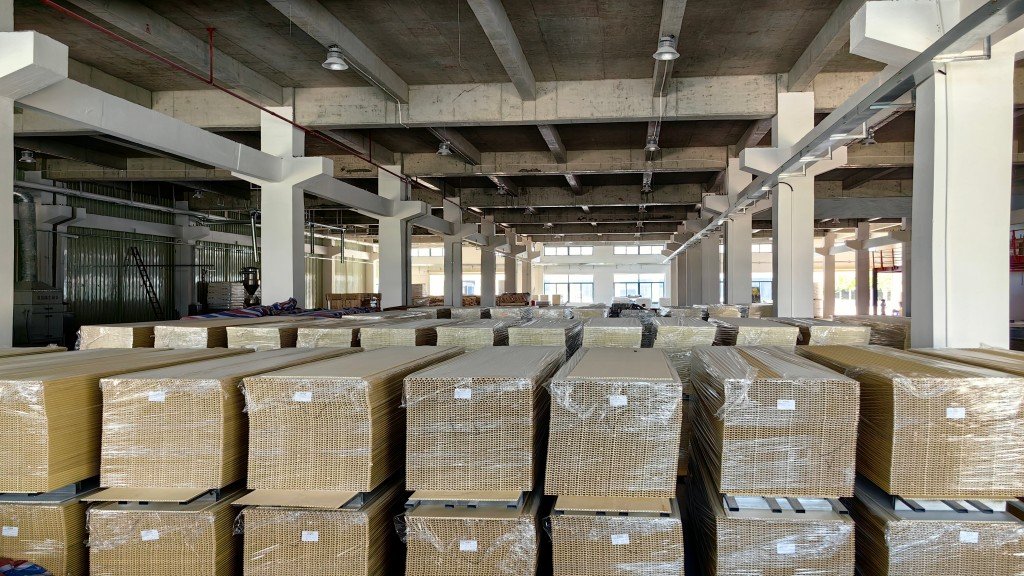
Chinese building material warehouses typically stock diverse categories:
Structural Materials: Steel beams, reinforced concrete, lumber, engineered wood products
Finishing Materials: Ceramic tiles, natural stone, flooring, wall panels, decorative elements
Components: Windows, doors, hardware, fixtures, electrical components
Specialty Products: Insulation, waterproofing membranes, adhesives, sealants, composite materials
Prefabricated Elements: Modular building components, pre-cast concrete, structural panels
Regional Manufacturing Hubs
Understanding regional specializations helps target the right Chinese building material warehouse locations:
Guangdong Province (Foshan, Guangzhou): Ceramics, tiles, sanitary ware, hardware—35% of China’s ceramic tile production originates here
Zhejiang Province (Hangzhou, Wenzhou): Electrical components, decorative materials, smart building systems
Shandong Province: Steel products, glass manufacturing, cement—hosts China’s largest glass production cluster
Jiangsu Province (Nanjing, Suzhou): Advanced composites, engineered materials, high-end finishing products
Fujian Province (Xiamen, Quanzhou): Stone products, particularly granite and marble—60% of China’s stone exports
Strategic warehouse selection considers proximity to these hubs for optimal pricing and reduced inland transportation costs.
Key Criteria for Warehouse Selection
Location and Logistics Infrastructure
The warehouse’s geographical position directly impacts your total landed costs and delivery timelines. Premium locations offer:
Port Proximity: Warehouses within 100km of major ports (Shanghai, Shenzhen, Ningbo) typically reduce shipping costs by 15-25% and cut transit times by 3-5 days
Transportation Networks: Access to highways, rail connections, and dedicated logistics parks ensures efficient container movement
Customs Zones: Warehouses in Free Trade Zones (FTZ) or bonded areas provide customs clearance advantages and potential tax benefits
Regional Access: Central locations serving multiple manufacturing hubs enable consolidated shipments from different suppliers
According to industry data, proximity to ports can reduce total logistics costs by $200-400 per container for standard building materials shipments.
Storage Capacity and Facility Conditions
Professional Chinese building material warehouses demonstrate operational excellence through:
Adequate Space: Minimum 5,000 square meters for diversified inventory, with 10,000+ sqm preferred for major suppliers
Climate Control: Temperature and humidity management prevents damage to sensitive materials like wood, adhesives, and certain composites
Organization Systems: Clearly marked zones, inventory tracking, and efficient retrieval systems
Loading Infrastructure: Multiple loading docks, forklift equipment, and container stuffing areas for efficient operations
Security Measures: 24/7 surveillance, fire suppression systems, and proper insurance coverage
During facility evaluations, inspect floor conditions, roof integrity, and pest control measures—water damage and infestation are leading causes of material degradation.
Certification and Compliance
Legitimate warehouses maintain comprehensive documentation:
Business Licenses: Valid commercial registration with local authorities
Quality Certifications: ISO 9001 (quality management), ISO 14001 (environmental management)
Industry-Specific Standards: GB (Chinese National Standard) compliance for relevant product categories
Export Licenses: Proper authorization for international trade operations
Safety Certifications: Occupational health and safety compliance records
Request certification copies and verify through issuing bodies—approximately 30% of claimed certifications prove invalid upon verification according to third-party auditing firms.
Technology and Inventory Management Systems
Modern Chinese building material warehouses leverage technology for transparency and efficiency:
Digital Inventory Tracking: Real-time stock level visibility through WMS (Warehouse Management Systems)
ERP Integration: Seamless order processing and documentation management
Cloud-Based Platforms: Accessible inventory data for international clients across time zones
Automated Reporting: Regular stock updates, shipment tracking, and quality control documentation
Digital Communication: Multi-platform support (WeChat, WhatsApp, email, video conferencing)
Warehouses with robust digital systems reduce order errors by up to 85% compared to manual operations.
Evaluating Supplier Credentials
Business Licensing Verification
Comprehensive credential checking protects against fraud and ensures legal compliance:
- Business License Verification: Request the business license (营业执照) and verify through China’s National Enterprise Credit Information Publicity System (NECIPS) at gsxt.gov.cn
- Registration Details: Confirm registered capital, business scope, and operational years—avoid suppliers registered less than 3 years ago without established track records
- Legal Representative: Verify the legal representative’s identity matches business communications
- Export Rights: Confirm customs registration number and export qualification certificates
- Tax Registration: Valid tax registration certificate indicates compliant financial operations
Professional buyers should engage local verification services or legal advisors for thorough due diligence on significant partnerships.
Years in Operation and Track Record
Experience indicates stability and accumulated expertise:
5+ Years: Minimum threshold for established operations and market understanding
10+ Years: Demonstrated resilience through market cycles and economic fluctuations
15+ Years: Deep industry networks, refined processes, and extensive product knowledge
Request verifiable project histories, shipping records, and business growth trajectory. Established Chinese building material warehouses typically show 20-30% of revenue from repeat customers—a strong indicator of satisfaction and reliability.
Client Testimonials and Case Studies
Authentic customer feedback reveals operational realities:
Reference Contacts: Request contact information for 3-5 international clients with similar order volumes and product requirements
Case Studies: Detailed examples showing problem-solving capabilities, order fulfillment timelines, and quality outcomes
Online Presence: Check platforms like Alibaba, Global Sources, and industry forums for reviews and ratings
Third-Party Verification: Services like SGS, Bureau Veritas, or local chambers of commerce can verify supplier credentials
During reference calls, ask specific questions about response times, quality consistency, problem resolution, and hidden costs to uncover potential issues.
Factory vs. Trading Company Distinctions
Understanding your supplier’s business model affects pricing, quality control, and flexibility:
Direct Factory Warehouses:
- Lower prices (15-30% savings on average)
- Direct quality oversight and customization options
- Longer communication cycles and potentially limited English proficiency
- Specialization in specific product categories
Trading Company Warehouses:
- Broader product ranges from multiple manufacturers
- Better English communication and export documentation support
- Markup of 10-25% for consolidation and coordination services
- Simplified sourcing for diverse material requirements
Hybrid Models:
- Factory operations with trading divisions
- Balance of direct pricing and professional export services
Request factory visit opportunities and production certifications to verify claimed manufacturing capabilities. Approximately 40% of “factories” are actually trading companies with manufacturing partnerships.
Quality Control and Inspection
Third-Party Inspection Services
Independent verification protects your interests and ensures specification compliance:
Pre-Shipment Inspection (PSI): Third-party inspectors verify product quality, quantity, and packaging before container loading—costs typically $200-400 per inspection
During Production Checks (DUPRO): Monitor manufacturing progress for large orders, identifying issues early when corrections are cost-effective
Container Loading Supervision (CLS): Ensures proper packing, accurate quantities, and prevents damage during stuffing
Laboratory Testing: Material composition analysis, strength testing, and compliance verification for critical components
Leading inspection companies operating in China include SGS, Bureau Veritas, Intertek, TÜV, and QIMA. Inspection costs represent 0.1-0.3% of order value but prevent 10-15% of potential quality issues according to industry studies.
Quality Assurance Processes
Reliable Chinese building material warehouses implement systematic quality protocols:
Incoming Quality Control (IQC): Materials inspected upon receipt from manufacturers before warehousing
In-Process Monitoring: Regular checks during storage for condition maintenance
Pre-Delivery Inspection (PDI): Final verification before shipment preparation
Documentation Systems: Complete quality records, test certificates, and compliance documentation
Supplier Auditing: Regular assessment of upstream manufacturers for consistency
Request quality control procedures in writing and verification of testing equipment calibration records.
Sample Testing Procedures
Strategic sampling reduces risk before bulk commitments:
- Initial Samples: Request 3-5 sample pieces for evaluation—professional warehouses provide these at cost or free for serious buyers
- Testing Scope: Verify dimensions, material composition, finish quality, and performance characteristics
- Third-Party Analysis: Send samples to independent labs for composition and strength testing when technical specifications are critical
- Shipping Samples: Test packaging adequacy by requesting samples via actual shipping methods
- Batch Consistency: After approval, request samples from actual production batches before full shipment
Sample costs typically range from $50-300 including shipping, a worthwhile investment that prevents costly bulk order mistakes.
Red Flags to Watch For
Warning signs indicating potential problems:
- Reluctance to Provide Certifications: Legitimate operations readily share documentation
- Pressure for Large Deposits: Professional warehouses accept standard payment terms (30% deposit maximum)
- Inconsistent Communication: Changing contacts, delayed responses, or evasive answers
- No Physical Address Verification: Unwillingness to provide specific warehouse locations or facilitate visits
- Prices Significantly Below Market: If pricing seems too good to be true, quality compromises likely exist
- Limited Online Presence: Absence of established digital footprint suggests questionable legitimacy
- Unwillingness for Third-Party Inspection: Resistance to independent verification indicates potential quality issues
Trust your instincts—if something feels wrong during interactions, investigate thoroughly or consider alternative suppliers.
Logistics and Shipping Considerations
Proximity to Major Ports
Strategic warehouse locations near China’s primary export ports optimize costs and efficiency:
Shanghai Port (World’s largest container port):
- Handles 47 million TEUs annually
- Extensive international shipping routes
- Advanced container handling infrastructure
- Warehouses within 50km offer optimal access
Shenzhen Port (Yantian, Shekou terminals):
- Gateway for Pearl River Delta manufacturing
- Specialized in electronics and manufacturing components
- Strong connections to Southeast Asian markets
- Competitive rates for trans-Pacific routes
Ningbo-Zhoushan Port:
- Deep-water capabilities for large vessels
- Growing importance for European routes
- Cost-effective for bulk material shipments
- Excellent rail connections to interior regions
Guangzhou Port:
- Ideal for Pearl River Delta manufacturers
- Strong river-sea transport integration
- Competitive pricing for building materials
- Efficient inland waterway connections
Warehouses located 100+ kilometers from ports may add $100-250 per container in inland transportation costs and 2-4 days to delivery schedules.
Container Loading Capabilities
Professional Chinese building material warehouses demonstrate expertise through:
Loading Efficiency: Experienced teams maximize container space, achieving 85-95% utilization versus 65-75% for inexperienced operations
Material Protection: Proper dunnage, moisture barriers, and securing methods prevent transit damage
Weight Distribution: Balanced loading prevents shifting and ensures compliance with weight regulations
Documentation Accuracy: Precise packing lists, loading photos, and container seals
Mixed Container Expertise: Ability to consolidate multiple product types efficiently
Equipment Quality: Forklifts, pallet jacks, and container ramps in good condition indicate professional operations
Request loading photos and container sealing procedures as standard practice—visual documentation proves proper handling.
Export Documentation Support
Comprehensive paperwork ensures smooth customs clearance:
Commercial Invoice: Accurate product descriptions, values, and HS codes
Packing List: Detailed container contents, dimensions, and weights
Certificate of Origin: Required for preferential trade agreement benefits (Form E, Form A, etc.)
Quality Certificates: Product-specific compliance documentation
Fumigation Certificates: Required for wood packaging materials
Insurance Documents: Cargo insurance for protection during transit
Bill of Lading: Ocean freight contract and proof of shipment
Professional warehouses employ dedicated documentation specialists ensuring accuracy and completeness—errors cause 60% of customs delays according to freight forwarder surveys.
Shipping Cost Optimization
Strategic approaches reduce transportation expenses:
Consolidation: Combine multiple suppliers’ materials in single containers (LCL to FCL conversion saves 30-40%)
Seasonal Planning: Avoid peak shipping seasons (October-December) when rates increase 40-60%
Long-term Freight Contracts: Secure preferential rates through volume commitments with logistics partners
Flexible Scheduling: Allow 2-3 week shipping windows for carriers to optimize vessel loading
Port Selection: Sometimes secondary ports offer better rates despite slightly longer transit
Incoterms Negotiation: FOB versus CIF pricing structures affect cost control and risk allocation
Working with warehouses experienced in logistics optimization can reduce total shipping costs by 15-25% annually.
Payment Terms and Financial Security
Safe Payment Methods
Protect your investment through secure transaction mechanisms:
Letter of Credit (L/C):
- Bank-guaranteed payment upon document compliance
- Highest security for large transactions ($50,000+)
- Costs: 0.1-0.5% of transaction value plus bank fees
- Provides leverage for quality compliance
- Best for initial partnerships or high-value orders
Telegraphic Transfer (T/T):
- Direct bank-to-bank transfer
- Standard terms: 30% deposit, 70% before shipment or against copy of B/L
- Lower fees than L/C (typically $25-50 per transfer)
- Requires established trust and supplier vetting
- Most common for ongoing relationships
Escrow Services:
- Third-party holds funds until delivery confirmation
- Alibaba Trade Assurance provides protection up to order value
- Fees: 1-3% of transaction value
- Ideal for moderate orders ($5,000-$50,000)
- Dispute resolution mechanisms included
Payment Platform Services:
- PayPal, Western Union (for smaller transactions under $5,000)
- Higher fees (3-5%) but strong buyer protection
- Limits and conversion costs reduce efficiency for large orders
- Useful for samples and small trial orders
Avoid cash payments, Western Union for large amounts, or full payment before shipment unless the supplier has extensive verification and references.
Price Negotiation Strategies
Professional approaches maximize value:
Market Research: Understand typical pricing through multiple quotes (minimum 3-5 suppliers)
Volume Leverage: Larger orders (20+ tons or 2+ containers) warrant 8-15% discounts
Long-term Commitments: Annual contracts with regular orders secure 10-20% better pricing
Payment Terms: Faster payment (50% deposit) may justify 3-5% discounts
Seasonal Timing: Negotiate during slower periods (January-February, July-August) for better terms
Multiple Item Bundling: Purchasing diverse materials from one warehouse creates bargaining power
Quality-Price Balance: Lowest price rarely delivers best value—target competitive pricing with verified quality
Chinese business culture values relationship building—maintain respectful communication and reasonable expectations for successful negotiations.
Protecting Against Fraud
Critical safeguards prevent costly scams:
- Physical Verification: Visit warehouses personally or hire local agents for on-site verification ($300-500 for professional inspection visits)
- Background Checks: Engage commercial investigation services for comprehensive supplier screening
- Gradual Scaling: Start with small trial orders before committing to large purchases
- Documentation Verification: Confirm all certificates through issuing authorities
- Communication Red Flags: Be wary of pressure tactics, reluctance to video call, or constantly changing contacts
- Contractual Protection: Detailed purchase contracts specifying quality standards, delivery terms, and dispute resolution
- Legal Resources: Engage China-based legal counsel for significant partnerships
- Banking Verification: Confirm bank account names match registered business names
Online scams targeting building material buyers increased 35% in 2024-2025—diligent verification is essential.
Currency Considerations
Strategic currency management reduces costs:
USD Transactions: Most common for international trade, provides stability and universal acceptance
CNY (RMB) Pricing: Potential 2-5% savings if purchasing in Chinese currency, but introduces exchange rate risk
Forward Contracts: Lock in exchange rates for future orders, protecting against currency fluctuations
Multi-Currency Accounts: Reduces conversion fees if regularly importing from China
Timing Strategy: Monitor exchange rates and time large orders during favorable periods
Natural Hedging: Balance currency exposure across multiple markets if operating internationally
Currency fluctuations can impact costs by 3-8% annually—consider hedging strategies for orders exceeding $100,000.
Communication and Language
English Proficiency Assessment
Effective communication prevents costly misunderstandings:
Initial Contact Testing: Evaluate written English quality in email exchanges—grammatical accuracy and clarity indicate communication capabilities
Video Conferences: Schedule video calls to assess spoken English and real-time understanding
Technical Terminology: Test comprehension of industry-specific terms and specifications
Documentation Quality: Review samples of export documents, quotations, and contracts for professional English standards
Response Time: Professional warehouses typically respond within 24 hours during business days
Escalation Paths: Confirm availability of English-speaking management for complex issues
Approximately 65% of Chinese building material warehouse staff have basic English, but only 25% demonstrate business-fluent capabilities for technical discussions.
Time Zone Management
Coordinate across China’s single time zone (UTC+8):
Overlapping Hours:
- For US East Coast: Early morning (7-9 AM EST) = afternoon in China
- For Europe: Late afternoon (4-6 PM CET) = evening in China
- For Australia: Most of business day overlaps
Email Protocol: Expect responses within one business day; urgent matters warrant follow-up via WeChat or WhatsApp
Video Call Scheduling: Plan calls during mutually convenient hours, typically 8 AM – 6 PM China time
Holiday Awareness: Chinese New Year (15-day shutdown), National Day Golden Week (October 1-7), and other holidays affect operations
Response Expectations: Chinese business culture values same-day responses for acknowledged urgent matters
Building strong relationships includes respecting Chinese working hours and holiday periods.
Cultural Considerations in Negotiations
Navigate cross-cultural dynamics successfully:
Relationship Building (Guanxi): Invest time in personal connections before pushing hard negotiations—Chinese business emphasizes long-term relationships
Face Saving: Avoid confrontational approaches or public criticism; address issues privately and diplomatically
Indirect Communication: Chinese counterparts may use subtle language rather than direct refusals
Decision Hierarchy: Senior management makes final decisions; be patient with approval processes
Gift Giving: Small, thoughtful gifts from your country strengthen relationships (avoid expensive items that create obligation)
Patience: Negotiations may proceed slower than Western expectations—rushing can damage relationships
Written Agreements: Despite relationship emphasis, detailed contracts remain essential—”trust but verify”
Cultural sensitivity and respect create competitive advantages in supplier relationships.
Using Interpreters Effectively
Professional translation services bridge communication gaps:
When to Use: Technical specifications, contract negotiations, factory visits, and quality disputes warrant professional interpreters
Service Options:
- On-site interpreters: $150-300 per day
- Phone/video interpretation: $50-100 per hour
- Document translation: $0.08-0.15 per word
Preparation: Provide technical terminology and context materials to interpreters in advance
Clear Communication: Speak in short, complete sentences; avoid idioms and complex sentence structures
Verification: Ask interpreters to back-translate critical points to ensure accuracy
Cultural Guidance: Experienced interpreters provide valuable cultural insights beyond direct translation
Investment in quality interpretation prevents misunderstandings that cost far more than interpretation fees.
Technology and Digital Capabilities
Online Inventory Tracking
Modern Chinese building material warehouses provide real-time visibility:
Web-Based Platforms: Access current stock levels, pricing, and product specifications 24/7
Mobile Applications: Smartphone access for on-the-go inventory checking
Automated Alerts: Notifications for stock availability, price changes, or order status updates
Historical Data: Track price trends and consumption patterns for better forecasting
Product Information: Detailed specifications, certifications, and technical documentation online
Integration Capabilities: API access for connecting with your procurement systems
Digital inventory systems reduce order processing time by 40-60% and minimize errors by 70-80% compared to manual processes.
Digital Communication Tools
Multi-channel communication ensures efficient coordination:
WeChat: Primary business communication tool in China—essential for fast responses and file sharing
WhatsApp: Increasingly adopted for international client communication
Email: Formal documentation and detailed discussions
Video Conferencing: Zoom, Microsoft Teams, or Skype for virtual meetings and factory tours
Cloud Storage: Shared folders for documents, photos, and technical specifications (Google Drive may be inaccessible in China; use Dropbox or alternatives)
Project Management Tools: Trello, Asana, or specialized platforms for order tracking
Establish communication preferences early—response times improve 50% when using suppliers’ preferred platforms.
Virtual Warehouse Tours
Remote facility verification through technology:
Live Video Tours: Real-time warehouse walkthroughs via WeChat video or Zoom
Recorded Facility Videos: Pre-recorded comprehensive facility presentations
360-Degree Photography: Immersive virtual tours showing warehouse layout and conditions
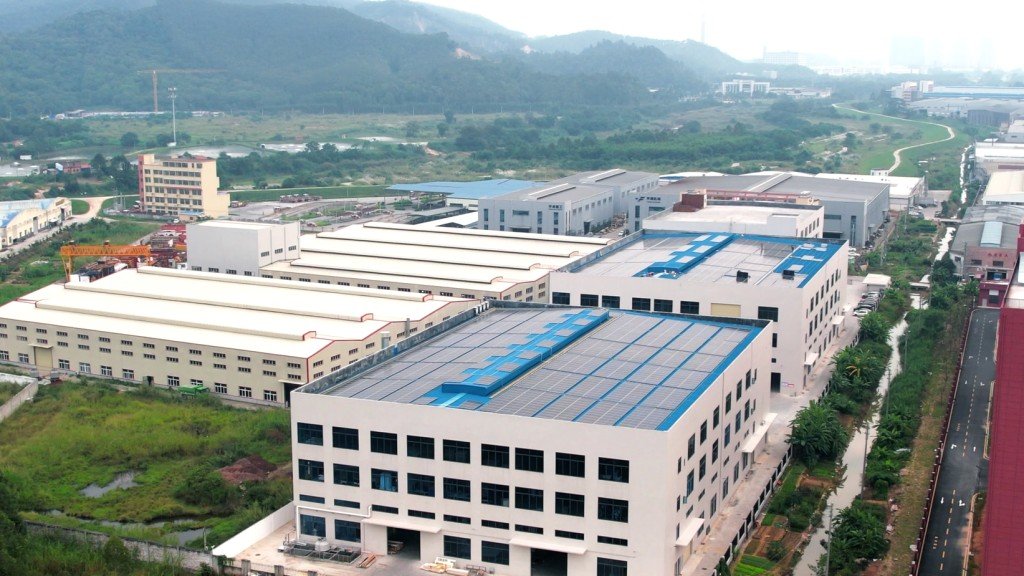
Drone Footage: Aerial views demonstrating facility scale and surrounding infrastructure
Time-Stamped Documentation: Current dated photos proving facility status
Inventory Verification: Live video of specific materials you’re considering
While virtual tours provide valuable insights, in-person visits remain ideal for major partnerships—plan physical verification for relationships exceeding $500,000 annually.
E-Commerce Integration
Digital procurement streamlines ordering processes:
B2B Platforms: Alibaba, Global Sources, Made-in-China for initial supplier discovery
Direct E-Commerce: Some warehouses operate proprietary platforms for repeat customers
Order Automation: Digital quote requests, PO generation, and approval workflows
Payment Integration: Secure online payment processing
Documentation Access: Automated certificate generation and shipping document delivery
Reorder Systems: One-click reordering for repeat purchases
E-commerce adoption reduces order processing time from 3-5 days to 24-48 hours and decreases errors by eliminating manual data entry.
Common Mistakes to Avoid
Learning from others’ experiences prevents costly errors:
Mistake #1: Choosing Based Solely on Price Impact: 65% of quality complaints trace to selecting cheapest suppliers Solution: Evaluate total value including quality, reliability, and service
Mistake #2: Skipping Sample Testing Impact: $50,000 average loss from bulk orders of unsuitable materials Solution: Always test samples thoroughly before bulk commitments
Mistake #3: Inadequate Documentation Review Impact: 40% of customs delays result from incomplete or incorrect paperwork Solution: Verify all documents before shipment departure
Mistake #4: Neglecting Third-Party Inspection Impact: Quality issues discovered post-delivery cost 10x more to resolve Solution: Budget 0.2% of order value for professional inspection services
Mistake #5: Poor Contract Specificity Impact: Dispute resolution costs average $15,000-30,000 in legal fees Solution: Include detailed specifications, quality standards, and remedies in contracts
Mistake #6: Ignoring Cultural Differences Impact: Relationship breakdown and lost negotiating leverage Solution: Invest time in understanding Chinese business culture
Mistake #7: Single-Supplier Dependence Impact: Business disruption when sole suppliers face problems Solution: Maintain 2-3 qualified suppliers for critical materials
Mistake #8: Unrealistic Timeline Expectations Impact: Rush orders cost 25-40% premium and reduce quality oversight opportunities Solution: Plan 60-90 days for sourcing, production, and shipping
Actionable Checklist: 10-Point Warehouse Evaluation System
Use this framework to systematically assess potential Chinese building material warehouse partners:
☐ 1. Business Verification
- Business license verified through NECIPS
- 5+ years operational history confirmed
- Export licenses and customs registration validated
☐ 2. Facility Assessment
- Physical location verified (virtual tour or visit)
- Adequate storage capacity (5,000+ sqm minimum)
- Climate control and security systems present
☐ 3. Quality Systems
- ISO 9001 or equivalent certification confirmed
- Third-party inspection acceptance committed
- Quality control procedures documented
☐ 4. Communication Capability
- English proficiency adequate for technical discussions
- Multiple communication channels established
- Responsive within 24-hour standard
☐ 5. Reference Verification
- 3+ international client references contacted
- Positive feedback on quality and reliability received
- Case studies or project examples reviewed
☐ 6. Logistics Competence
- Port proximity under 100km (preferred)
- Container loading expertise demonstrated
- Export documentation support confirmed
☐ 7. Technology Platform
- Digital inventory tracking available
- Online communication tools utilized
- Documentation sharing systems functional
☐ 8. Financial Terms
- Secure payment methods accepted (L/C or T/T)
- Reasonable deposit requirements (30% maximum)
- Transparent pricing structure provided
☐ 9. Compliance Documentation
- Product certificates available
- Testing reports provided
- Regulatory compliance confirmed
☐ 10. Cultural Fit
- Professional and respectful communication
- Reasonable responsiveness and flexibility
- Long-term relationship orientation evident
Score each criterion on a 1-10 scale. Total scores above 85 indicate strong candidates; scores below 70 warrant caution or additional investigation.
Frequently Asked Questions
Q1: How much should I expect to pay for building materials from Chinese warehouses compared to domestic suppliers?
A: On average, importing from Chinese building material warehouses provides 25-45% cost savings compared to domestic purchasing in Western markets. However, total landed costs including shipping (15-20% of product cost), import duties (varies by country and product, typically 0-10%), and logistics (5-8%) reduce net savings to approximately 15-30%. The greatest savings appear in ceramic tiles (40-50%), steel products (30-40%), and hardware components (35-45%).
Q2: How long does the typical sourcing and shipping process take?
A: Plan for 60-90 days total from initial contact to receiving materials:
- Supplier research and vetting: 7-14 days
- Sample testing and approval: 14-21 days
- Production or warehouse preparation: 7-14 days
- Shipping and customs clearance: 25-35 days (ocean freight)
Air freight reduces shipping to 5-7 days but costs 5-8x more—appropriate only for urgent, high-value items.
Q3: What’s the minimum order quantity for Chinese building material warehouses?
A: MOQs vary significantly by product type:
- Ceramic tiles: Typically 500-1000 square meters (partial container)
- Steel products: 10-20 tons minimum
- Hardware/fixtures: Often negotiable, sometimes 100-500 pieces
- Composite materials: 200-500 square meters
- Custom products: Higher MOQs (often full container or more)
Many warehouses offer LCL (Less than Container Load) options for buyers wanting to test multiple products, though per-unit costs increase 15-25% compared to FCL (Full Container Load) pricing.
Q4: How can I verify a Chinese warehouse isn’t a scam?
A: Implement these verification steps:
- Business license verification through gsxt.gov.cn (government database)
- Video call with facility tour showing warehouse and products
- Third-party verification service ($300-500 from companies like SGS or Bureau Veritas)
- Check Alibaba seller ratings if listed (3+ years, high transaction volume)
- Verify bank account name matches business license name
- Request references and actually contact them
- Start with small trial order before large commitments
- Never pay 100% upfront—standard terms are 30% deposit maximum
Q5: What certifications should I require from a building material warehouse?
A: Essential certifications include:
- ISO 9001 (quality management system)
- Product-specific certifications (CE, ASTM, BS, etc., depending on destination market)
- SGS or Bureau Veritas inspection reports for specific products
- Material safety data sheets (MSDS) for chemical products
- Certificate of Origin for customs and potential duty reductions
- Test reports from recognized laboratories for performance claims
Request certification copies and verify authenticity through issuing organizations’ websites.
Q6: Should I work with a factory warehouse or a trading company warehouse?
A: Each model has advantages:
Choose factory warehouses when:
- You need large quantities of specific materials (cost savings 15-30%)
- Product customization is important
- You have time for slower communication processes
- Quality control at manufacturing source is priority
Choose trading company warehouses when:
- You need diverse materials from multiple sources
- Professional export services and English communication are critical
- Smaller order quantities across product range
- You value convenience and consolidated shipping
For most buyers, a hybrid approach works best—direct factory relationships for major materials, trading companies for diversified smaller items.
Q7: What are realistic lead times for different building materials from China?
A: Typical timelines from order placement to destination port arrival:
- In-stock standard items: 30-45 days (7 days prep + 25-35 days shipping)
- Made-to-order standard products: 45-60 days (15-20 days production + 25-35 days shipping)
- Custom specifications: 60-90 days (30-45 days production + 25-35 days shipping)
- Complex engineered materials: 90-120 days (50-70 days production + 25-35 days shipping)
Add 7-14 days for customs clearance and domestic delivery in your country. Peak season (September-November) may add 7-14 days to these estimates.
Cost-Saving Strategies for Importing Building Materials
Strategic buyers maximize value through proven approaches:
Strategy 1: Consolidation Efficiency Combine multiple materials in single containers. Mixed containers reduce per-item shipping costs by 30-40% versus individual LCL shipments. Work with warehouses offering multi-product capabilities.
Strategy 2: Annual Contracting Commit to 4-6 shipments annually for 10-20% volume discounts. Predictable orders give suppliers confidence to offer better pricing while ensuring your supply continuity.
Strategy 3: Off-Peak Purchasing Order during slower periods (January-March, July-August) for 5-12% better pricing. Manufacturers and warehouses reduce prices to maintain operations during low seasons.
Strategy 4: Payment Term Optimization Offering faster payment (50% deposit instead of 30%) can yield 3-5% discounts on large orders. Calculate cash flow impact versus savings to determine value.
Strategy 5: Direct Port Delivery Selecting warehouses near your preferred departure port eliminates inland transportation, saving $150-300 per container.
Strategy 6: Freight Contract Management Develop relationships with 2-3 freight forwarders and negotiate annual contracts for preferential rates—typically 8-15% below spot market pricing.
Strategy 7: Quality-Driven Selection While counterintuitive, mid-tier pricing often delivers best total value. Cheapest suppliers generate 3-5x higher defect rates, causing inspection costs, replacements, and delays that exceed initial savings.
Strategy 8: Specification Flexibility Standard sizes and specifications cost 15-25% less than custom requirements. Modify project designs to accommodate standard dimensions when possible.
Combined implementation of these strategies typically reduces total procurement costs by 20-35% while maintaining quality and reliability.
Taking the Next Steps: Your Action Plan
You now have comprehensive knowledge to select a reliable Chinese building material warehouse partner. Here’s your roadmap to successful sourcing:
Immediate Actions (This Week):
- Define your specific material requirements and estimated volumes
- Identify 8-10 potential warehouse candidates through Alibaba, industry directories, and trade associations
- Prepare a standardized inquiry template requesting certifications, pricing, and capabilities
- Begin initial contact and request basic documentation
Short-Term Actions (Next 2-4 Weeks): 5. Evaluate responses and narrow to 3-5 qualified candidates 6. Conduct video calls and virtual warehouse tours 7. Request and verify business licenses and certifications 8. Contact provided references for candid feedback 9. Request samples for physical evaluation
Medium-Term Actions (1-2 Months): 10. Arrange third-party verification or personal visit for top 2 candidates 11. Negotiate terms and finalize supplier selection 12. Place trial order with third-party inspection 13. Evaluate trial order performance across quality, timeliness, and communication
Long-Term Partnership Development: 14. Establish regular communication rhythms and reporting standards 15. Develop annual procurement forecasts for volume discounting 16. Build personal relationships with key warehouse contacts 17. Continuously monitor performance and maintain backup supplier relationships
Conclusion: Building Lasting Supplier Partnerships
Selecting the right Chinese building material warehouse transforms from a transactional decision into a strategic partnership that delivers sustained value. The 25-45% cost advantages, access to diverse product ranges, and supply chain flexibility make Chinese warehouses indispensable for competitive construction operations worldwide.
Success requires moving beyond price considerations to evaluate suppliers holistically—verification, quality systems, logistics capabilities, communication, and cultural fit determine long-term relationship success. The upfront investment in thorough vetting, third-party inspections, and relationship building pays dividends through reduced defects, reliable delivery, and continuous improvement.
The Chinese building materials market continues evolving toward higher quality, better service, and increased professionalism. Buyers who develop expertise in supplier selection, implement rigorous quality control, and cultivate strong partnerships position themselves to capture maximum value from this dynamic supply source.
Start your journey today by implementing the 10-point evaluation checklist and reaching out to potential warehouse partners. The construction materials that build your projects—and your competitive advantage—await.