Table of Contents
Picture this: You’ve just moved into your new home, and while the layout is perfect, the walls feel uninspiring. You want something that combines natural beauty with modern durability—something that won’t demand constant upkeep but will still turn heads when guests walk through your door. Enter WPC wall panels, the revolutionary material that’s transforming how homeowners think about interior design.
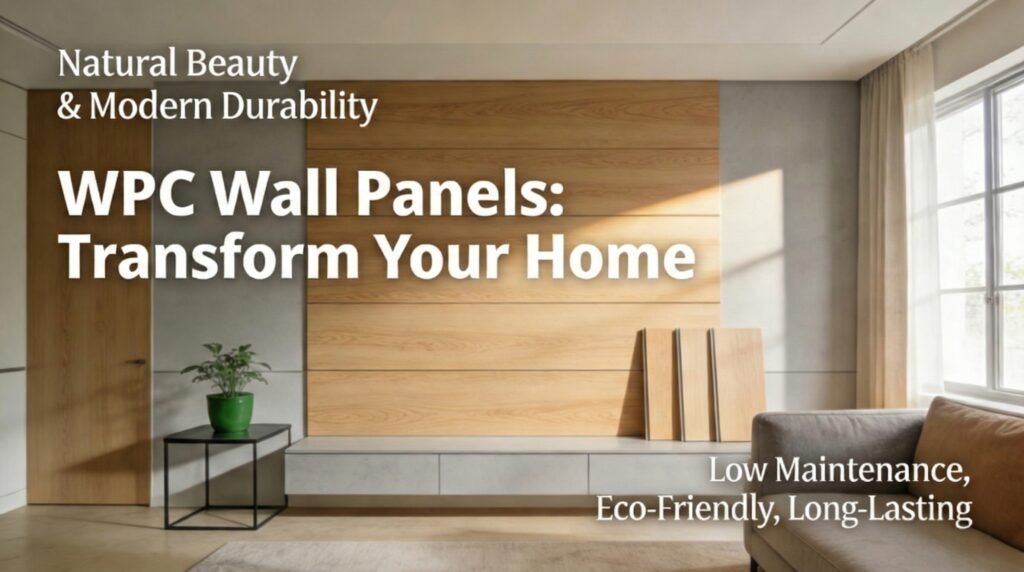
Wood Plastic Composite (WPC) wall panels have surged in popularity over the past few years, and for good reason. They offer the warm, inviting look of natural wood without the maintenance headaches, the versatility of modern materials without sacrificing environmental responsibility, and the durability to withstand everything from kitchen splashes to playroom chaos. Whether you’re renovating a single accent wall or transforming your entire home, choosing the right WPC wall panel design can make the difference between a space that merely functions and one that truly inspires.
In this comprehensive guide, we’ll walk you through everything you need to know about selecting the perfect WPC wall panel design for your home. From understanding what makes these panels special to navigating the maze of styles, colors, and technical specifications, you’ll gain the confidence to make an informed decision that balances aesthetics with functionality. By the end, you’ll know exactly how to choose panels that complement your lifestyle, enhance your space, and deliver lasting value for years to come.
Understanding WPC Wall Panels: The Foundation of Your Decision
Before diving into design choices, it’s essential to understand what WPC wall panels actually are and why they’ve become such a game-changer in residential design.
What Are WPC Wall Panels?
WPC wall panels are innovative composite materials made from a carefully engineered blend of wood fiber (typically 50-70%) and thermoplastic polymers such as polyethylene, polypropylene, or PVC (30-50%). This unique composition is created through a sophisticated manufacturing process where wood particles are thoroughly mixed with heated plastics, then extruded or molded into panels with precise dimensions and textures.
The manufacturing process ensures consistent quality and allows for incredible customization. Unlike natural wood, which varies in grain patterns and can contain knots or imperfections, WPC panels deliver uniformity while maintaining the authentic appearance of wood. The polymers act as a protective matrix, encasing the wood fibers and creating a moisture-resistant barrier that makes these panels suitable for applications where traditional wood would fail.
Key Advantages Over Traditional Materials
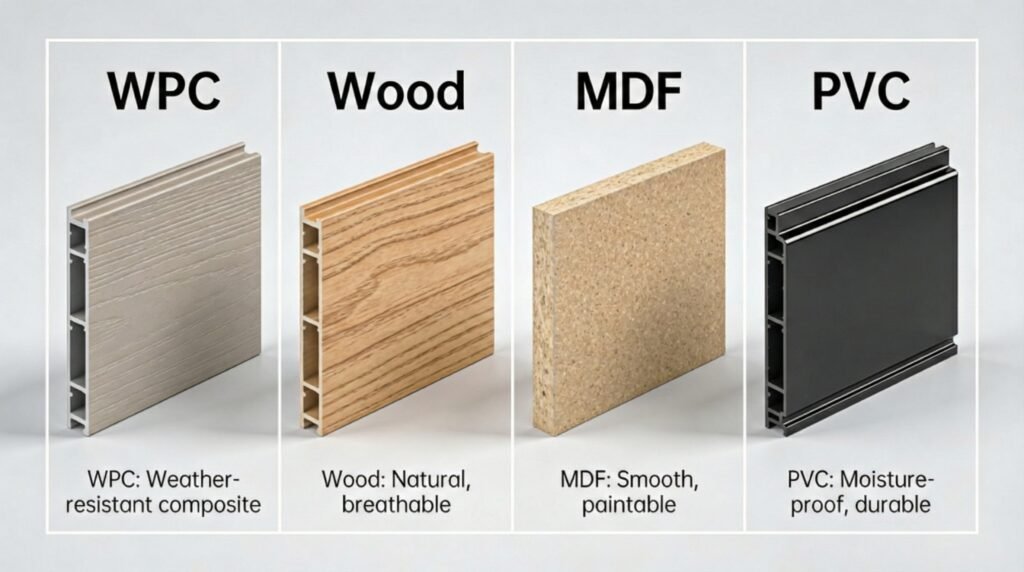
When comparing WPC to alternatives like solid wood, MDF, or pure PVC, the advantages become clear. Wood plastic composite panels resist moisture far better than natural wood, making them ideal for kitchens, bathrooms, and even semi-outdoor spaces where humidity levels fluctuate. They won’t warp, crack, or swell like wood does when exposed to moisture, eliminating one of the biggest maintenance challenges homeowners face.
Unlike MDF, which can emit volatile organic compounds (VOCs) and deteriorate when wet, WPC panels maintain their structural integrity in damp conditions while being safer for indoor air quality. Compared to pure PVC panels, WPC offers a more authentic wood appearance and texture, along with superior dimensional stability. The wood content gives WPC panels natural thermal and acoustic insulation properties that pure plastic panels can’t match.
Common Applications in Your Home
The versatility of WPC wall panels makes them suitable for virtually any room in your house. In living rooms, they create stunning accent walls that serve as conversation pieces while adding depth and warmth. Bedrooms benefit from the cozy, natural aesthetic and sound-dampening properties that promote better sleep. Kitchens and bathrooms, traditionally challenging for wall materials, become viable applications thanks to WPC’s moisture resistance and easy-clean surfaces.
Home offices and study areas gain both visual appeal and functional benefits—the panels provide excellent sound insulation, creating a quieter environment for focus and productivity. For those with covered patios or sunrooms, WPC panels bridge indoor and outdoor spaces beautifully, withstanding temperature variations and indirect moisture exposure that would damage traditional materials.
Environmental Benefits and Sustainability
Choosing WPC wall panels also aligns with environmentally conscious living. Many manufacturers use recycled wood waste and post-consumer plastics in their production, diverting materials from landfills and reducing demand for virgin resources. The long lifespan of WPC panels—often 15-25 years or more—means fewer replacements and less waste over time compared to materials that deteriorate faster.
Additionally, the energy required to produce WPC is generally lower than that needed for materials like ceramic tiles or metal panels. When it’s finally time to replace your panels, many WPC products are themselves recyclable, completing the circular economy loop. For homeowners who prioritize sustainability without compromising on style, WPC represents an ideal middle ground.
Key Factors in Choosing WPC Wall Panel Designs
Now that you understand what makes WPC panels special, let’s explore the critical factors that should guide your selection process. Choosing wall panels that work perfectly in your home requires balancing multiple considerations.
Room Purpose and Functionality
The function of each room should be your starting point when selecting WPC wall panel designs. Your living room serves as the social heart of your home, where first impressions matter and comfort is paramount. For this space, consider panels that create visual interest without overwhelming the room. Textured designs with subtle wood grain patterns work beautifully, adding warmth while maintaining a sophisticated ambiance. Since living rooms typically see moderate traffic and minimal moisture exposure, you have maximum flexibility in your choices.
Bedrooms call for a different approach—prioritize panels that promote relaxation and restful sleep. Softer, muted tones and smooth or gently textured finishes create a serene environment. The sound-dampening properties of WPC become particularly valuable here, helping to create a quiet sanctuary away from household noise. Consider installing panels behind the bed as an accent wall to create a focal point without committing every wall surface.
When selecting panels for kitchens and bathrooms, functionality takes center stage. These high-moisture environments demand WPC panels specifically rated for wet conditions. Look for products with enhanced water resistance, typically those with higher polymer content or specialized coatings. Smooth, non-porous finishes are preferable in these spaces as they’re easier to clean and less likely to harbor bacteria. Darker colors or patterns can help hide minor splashes and stains that inevitably occur in these hardworking rooms.
Home offices and study areas benefit from WPC panels that enhance productivity. Consider how the design will affect your concentration and energy levels during long work sessions. Medium-toned panels with minimal visual complexity help maintain focus without creating a sterile atmosphere. The acoustic benefits of WPC can reduce echo and background noise, particularly valuable if you take video calls or need quiet for deep work.
For outdoor or semi-outdoor applications like covered patios, select panels specifically designed for exterior use. These typically feature UV stabilizers to prevent fading from sun exposure and enhanced weather resistance. The temperature fluctuations in these spaces require panels that won’t expand, contract, or degrade over seasonal changes.
Design Styles and Aesthetics
Your home’s overall design language should guide your WPC panel selection to ensure cohesive, intentional aesthetics throughout your space.
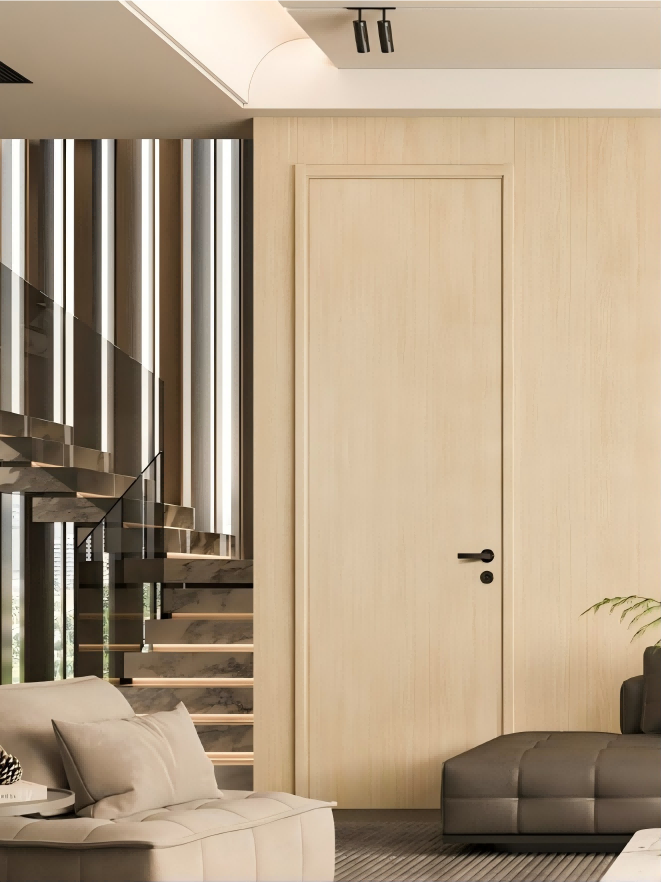
Modern and contemporary homes thrive with sleek, minimalist WPC designs. Look for panels with clean lines, smooth or subtly textured finishes, and neutral color palettes. Horizontal installation creates the illusion of wider spaces while emphasizing modern architectural lines. Consider monochromatic schemes or panels in grays, whites, and blacks that complement contemporary furniture and fixtures.
Traditional and rustic styles demand WPC panels that capture the warmth and character of natural wood. Panels with pronounced grain patterns, knots, and color variations authentically replicate reclaimed or aged wood. Vertical installation can emphasize height and grandeur, particularly in rooms with high ceilings. Rich browns, warm honeys, and weathered gray tones work beautifully in traditional settings, especially when coordinated with classic furniture and architectural details.
For minimalist approaches, less is decidedly more. Select WPC panels with uniform colors and subtle textures that fade into the background, allowing furniture, art, and architectural features to take center stage. White, light gray, or natural wood tones keep spaces feeling open and uncluttered. The key is restraint—use panels strategically on accent walls rather than covering every surface.
Industrial and urban aesthetics benefit from WPC panels that echo raw, unfinished materials. Darker tones, concrete-like finishes, or panels that mimic reclaimed warehouse wood fit this style perfectly. Consider mixing WPC panels with exposed brick, metal accents, and concrete floors for authentic industrial character. Mixed installation orientations add visual interest while reinforcing the eclectic, reclaimed aesthetic.
Understanding color psychology helps you create the exact atmosphere you’re seeking. Warm tones like reds, oranges, and yellows energize spaces and promote social interaction, making them ideal for living rooms and dining areas. Cool blues and greens induce calm and relaxation, perfect for bedrooms and meditation spaces. Neutral browns and grays offer versatility and timelessness, adapting as your décor evolves.
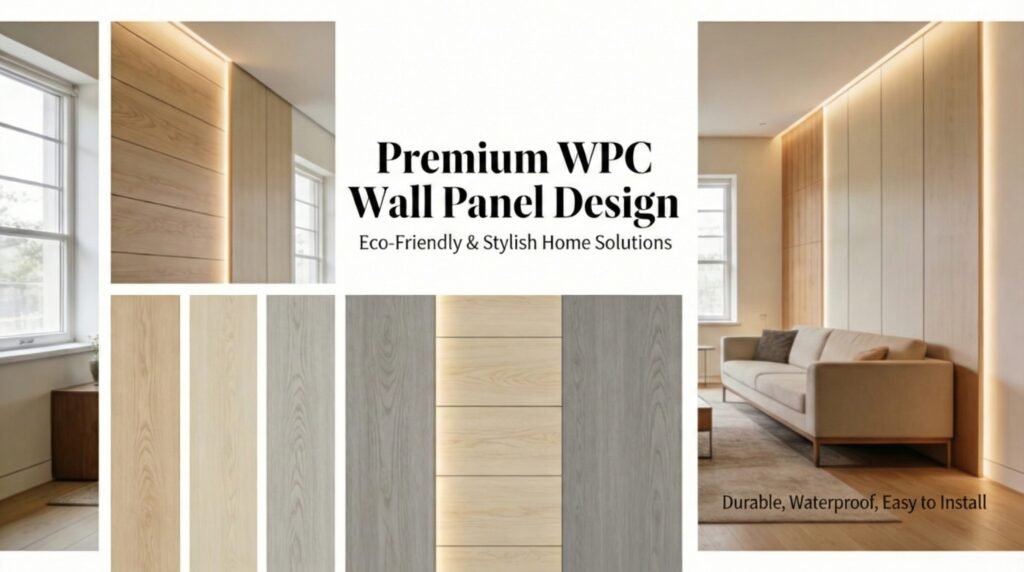
Texture options range from smooth contemporary finishes that reflect light and feel sleek to the touch, to embossed wood grain patterns that provide authentic tactile experiences. 3D textured designs create dramatic shadow play and dimensional interest, transforming walls into sculptural elements. Consider how natural and artificial lighting will interact with your chosen texture—smooth surfaces amplify light while heavily textured panels create intriguing shadows.
Color Selection: Setting the Tone
Color profoundly impacts how a room feels and functions, making it one of your most important decisions when selecting WPC wall panels.
Light-colored panels in whites, creams, and pale grays make rooms feel more spacious and airy, reflecting natural light to maximize brightness. They’re particularly valuable in smaller rooms or spaces with limited windows. Light panels also serve as versatile backdrops that won’t compete with furniture, artwork, or accessories, giving you flexibility as your décor evolves. However, they may show dirt and scuffs more readily in high-traffic areas.
Dark panels in deep browns, charcoals, and blacks create intimate, sophisticated atmospheres with dramatic impact. They work beautifully as accent walls, drawing the eye and creating focal points without overwhelming the space. Dark colors absorb light rather than reflect it, making rooms feel cozier but potentially smaller. They’re excellent at hiding minor imperfections and wear, requiring less frequent cleaning to maintain their appearance.
Neutral tones occupy the sweet spot between light and dark, offering maximum versatility. Medium browns, taupes, and grays complement virtually any design style and color scheme. They provide visual interest without dominating a space, making them ideal for whole-room installations. Neutrals also photograph beautifully and appeal to broad audiences, an important consideration if you might sell your home in the future.
For those willing to be bold, accent walls in vibrant or unconventional colors can energize a space and express personality. Deep blues, forest greens, or even burgundy panels create stunning focal points when used strategically. The key is restraint—typically one accent wall per room prevents visual overwhelm and maintains balance.
When matching panels with existing décor, bring samples home and view them in your actual lighting conditions. Colors that look perfect in the showroom can appear dramatically different under your home’s specific lighting. Consider how the panels will interact with flooring, furniture, and textiles. Analogous color schemes (colors next to each other on the color wheel) create harmonious, flowing spaces, while complementary schemes offer more visual pop and energy.
Current color trends for 2025 lean toward earthy, biophilic palettes that connect interior spaces with nature. Warm terracotta, sage green, and sandy beige are having a moment, as are sophisticated greiges (gray-beige hybrids) that offer depth without committing to stark contrasts. However, trends come and go—choose colors you genuinely love rather than chasing fleeting fashions.
Panel Dimensions and Installation Patterns
The size of individual panels and how you arrange them significantly impacts the final aesthetic and perceived room dimensions.
WPC wall panels typically come in several standard sizes. Common plank widths range from 4 to 12 inches, with lengths extending from 6 to 12 feet. Wider planks (8-12 inches) create a more modern, streamlined look with fewer seams, making spaces feel larger and less busy. Narrow planks (4-6 inches) offer a more traditional appearance with rhythmic repetition that can add visual interest to expansive walls.
Installation orientation deserves careful consideration. Horizontal installation makes rooms appear wider and more spacious, which is why it’s popular in smaller rooms or those with lower ceilings. The eye follows the horizontal lines outward, expanding the perceived width. Vertical installation draws the eye upward, emphasizing ceiling height and creating a sense of grandeur. This works particularly well in rooms with high ceilings where you want to accentuate vertical space.
Mixed orientations offer creative possibilities for the adventurous homeowner. Installing some panels horizontally and others vertically creates dynamic visual interest and can help define different zones within an open-concept space. However, this approach requires careful planning to avoid appearing chaotic or unintentional.
Pattern options extend beyond simple horizontal or vertical arrangements. Herringbone patterns create sophisticated, high-end looks reminiscent of traditional parquet flooring. Chevron patterns, with their distinctive V-shaped alignment, add energy and movement to walls. Stacked or running bond patterns (like brickwork) offer classic appeal with practical benefits—staggered joints are less likely to telegraph wall imperfections. Diagonal installations create unexpected drama but require more precise cutting and waste more material.
Texture and Finish Options
The surface treatment of your WPC panels affects both aesthetics and practicality, influencing everything from light reflection to maintenance requirements.
Matte finishes absorb light rather than reflect it, creating sophisticated, understated elegance. They’re excellent at hiding fingerprints, smudges, and minor surface imperfections, making them ideal for high-touch areas or homes with children and pets. Matte surfaces also reduce glare, which can be important in rooms with multiple windows or strong artificial lighting.
Glossy finishes reflect light dramatically, creating luminous, polished appearances that enhance brightness and make colors appear more saturated. They work beautifully in contemporary designs where sleek sophistication is the goal. However, glossy surfaces show every fingerprint, water spot, and scratch, requiring more frequent cleaning to maintain their pristine appearance.
Embossed wood grain provides the most authentic wood replication, with textured surfaces that feel remarkably like real wood when touched. Advanced manufacturing techniques create grain patterns so realistic that guests often can’t distinguish WPC from genuine wood at first glance. This texture adds depth and visual interest while the tactile experience reinforces the natural aesthetic.
3D textured designs go beyond simple embossing to create pronounced dimensional patterns—waves, geometric shapes, or abstract forms that transform walls into sculptural features. These panels catch and play with light throughout the day as sun angles change, creating ever-evolving visual interest. They’re statement pieces that work best as focal points rather than whole-room applications.
Smooth contemporary finishes offer minimalist perfection with uniform, non-textured surfaces. They emphasize clean lines and modern aesthetics while being among the easiest to clean. Light interacts predictably with smooth surfaces, making them ideal where precise lighting design is important.
Consider how different textures interact with lighting. Heavily textured panels in rooms with strong directional lighting (like large windows) create dramatic shadow play. In rooms with diffuse lighting, textures become subtler but still add tactile interest. Smooth panels maximize light reflection and work well in spaces where you want to amplify available light.
Technical Specifications: Beyond Aesthetics
While design is crucial, technical specifications determine whether your beautiful panels will actually perform well in your specific application.
Panel thickness typically ranges from 6mm to 25mm, with each range suited to different applications. Thinner panels (6-10mm) are lighter and more economical, suitable for decorative accent walls in low-traffic areas. Medium thickness (12-15mm) offers a good balance of durability and weight for most residential applications. Thicker panels (18-25mm) provide maximum durability and dimensional stability, ideal for high-traffic areas or commercial-grade residential installations.
Density affects both durability and acoustic performance. Higher-density panels resist impacts better and provide superior sound insulation, making them valuable in shared walls or noisy environments. Lower-density panels are lighter and easier to handle during installation but may dent or scratch more easily.
Fire resistance varies by manufacturer and composition. Look for panels with Class A or Class B fire ratings (the highest safety classifications) for peace of mind, especially in kitchens or near fireplaces. Many quality WPC panels include fire retardants in their formulation, but always verify ratings before purchase.
Water resistance levels range from water-resistant (suitable for normal indoor use) to waterproof (appropriate for wet areas). For bathrooms, kitchens, or any space where direct water contact is possible, insist on panels specifically rated for wet applications. These typically have denser construction and specialized surface treatments that prevent water infiltration.
Sound insulation properties vary based on panel thickness, density, and installation method. Thicker, denser panels with air gaps behind them provide the best acoustic performance. If noise control is a priority—perhaps you’re creating a home theater or need to reduce sound transmission between rooms—select panels specifically marketed for acoustic applications.
Warranty coverage reflects manufacturer confidence in their product. Quality WPC panels typically carry warranties of 10-25 years covering defects, fading, and structural integrity. Read the fine print carefully—some warranties exclude certain installation methods or environmental conditions. Extended warranties justify higher upfront costs through long-term peace of mind.
Practical Considerations: Making Your Vision Reality
Even the perfect WPC wall panel design won’t succeed if practical considerations aren’t addressed. Let’s examine the real-world factors that influence your project’s success.
Budget Planning: Investing Wisely
Best WPC panels for home projects span a wide price range, typically from $3 to $15 per square foot for the materials alone. Entry-level panels ($3-5/sq ft) offer basic designs and standard compositions suitable for low-traffic accent walls. Mid-range panels ($6-10/sq ft) provide better variety in textures, colors, and enhanced durability for most residential applications. Premium panels ($11-15/sq ft) deliver superior aesthetics, advanced features like enhanced moisture resistance or fire ratings, and longer warranties.
When comparing costs with alternatives, WPC typically falls between budget laminate ($2-4/sq ft) and solid wood ($8-20/sq ft). However, total cost of ownership tells a different story. While hardwood might seem comparable initially, its maintenance requirements—periodic refinishing, sealing, and repairs—add significant long-term expenses. WPC’s minimal maintenance requirements mean your initial investment remains your primary cost.
Calculate total project costs by factoring in materials, installation (professional or DIY supplies), preparation work, finishing accessories (trim, adhesives), and a 10% waste buffer for cuts and errors. A typical 120-square-foot accent wall might cost $500-$1,500 in materials plus $300-$900 for professional installation, totaling $800-$2,400. While significant, this transforms a space for years with minimal ongoing costs.
Consider long-term value when budgeting. Higher-quality panels with better warranties might cost 30-50% more upfront but could last twice as long and require half the maintenance. Calculate the cost per year of use rather than just initial price—a $1,200 panel system lasting 20 years costs $60 annually, while a $600 system lasting 8 years costs $75 annually plus replacement hassle.
Installation Requirements: DIY or Professional?
Installation complexity varies based on your existing walls, panel type, and desired finish quality. WPC panels are generally more DIY-friendly than alternatives like tile or hardwood, but assess your skills honestly.
DIY installation becomes viable if you’re comfortable with basic carpentry, have necessary tools (level, saw, measuring tape, adhesive applicator), and have reasonably flat, clean walls. Manufacturers increasingly design panels for easier installation with clip systems or adhesive backing that eliminate complex fastening. YouTube tutorials and manufacturer guides provide step-by-step assistance for motivated homeowners. Benefits include significant cost savings (typically 40-60% of total project cost) and satisfaction of personal accomplishment.
However, professional installation ensures superior results, especially for complex patterns, large areas, or challenging wall conditions. Professionals bring specialized tools, experience troubleshooting unexpected issues, and often provide warranties on their work. If your walls need significant preparation (repairing damage, adding furring strips, moisture barriers), professional help becomes increasingly valuable. For whole-house projects or when mistakes would be costly, professional expertise justifies the investment.
Surface preparation determines installation success regardless of who does it. Walls must be clean, dry, and reasonably flat. Remove all existing wallpaper, flaking paint, or loose materials. Fill holes, cracks, and significant irregularities with appropriate patching compounds. For installations over concrete or masonry, ensure surfaces are completely dry and consider moisture barriers if dampness is possible. Some installations require furring strips to create level surfaces and allow air circulation behind panels.
Essential tools include a circular saw or hand saw for cutting panels, a level to ensure straight installation, measuring tape and pencil for marking, adhesive (panel-specific) or mechanical fasteners as recommended, and safety equipment (goggles, dust mask, gloves). For more complex patterns, a miter saw and finishing nailer might be necessary.
Installation time varies by project scope and installer experience. A confident DIYer might complete a 100-square-foot accent wall in 8-12 hours spread over a weekend. The same project professionally installed might take 4-6 hours. Whole-room or whole-house projects obviously require proportionally more time. Always add buffer time for unexpected challenges—few projects go exactly as planned.
Maintenance and Care: Preserving Your Investment
One of WPC’s greatest advantages is minimal maintenance requirements compared to traditional materials. Regular care keeps your panels looking fresh for decades.
Daily and weekly cleaning requires only soft, damp cloths or microfiber mops to remove dust and light dirt. For most panels, plain water suffices. Avoid abrasive scrubbers that could scratch surfaces or harsh chemicals that might damage protective coatings. A gentle all-purpose cleaner diluted according to package directions handles more stubborn marks.
For specific stains, act quickly for best results. Water-based stains (coffee, juice) typically wipe away easily with damp cloths. Oil-based stains (grease, cosmetics) may require mild dish soap diluted in water. Crayon or marker from artistic children usually succumbs to rubbing alcohol on a cloth. Always test cleaning solutions in inconspicuous areas first to ensure they don’t affect panel finish or color.
Longevity expectations for quality WPC panels range from 15-30 years depending on usage, environment, and maintenance. Panels in low-traffic areas with minimal moisture exposure can look essentially new for decades. High-traffic kitchens or bathrooms might show more wear but still outlast most alternative materials. Unlike wood, WPC won’t rot, warp, or need refinishing. Unlike paint or wallpaper, it won’t fade significantly or require periodic replacement.
Repair considerations are straightforward. Unlike tiled walls where single tile damage requires extensive work, individual WPC panels can usually be replaced if damaged. Keep spare panels from your original purchase for future repairs—colors can vary slightly between production runs. Most damage involves scratches or dents, which can sometimes be minimized with manufacturer-recommended repair kits.
Climate and Environmental Factors
Your home’s specific environmental conditions influence which WPC panels will perform best and last longest.
Humidity tolerance is crucial in naturally humid climates or moisture-prone rooms. Quality WPC panels handle normal humidity fluctuations without issues, but extreme or sustained moisture requires panels specifically rated for wet applications. Coastal homes or regions with high ambient humidity should prioritize panels with enhanced moisture protection. Ensure proper ventilation in bathrooms and kitchens to prevent condensation accumulation behind panels.
Temperature resistance matters less than with some materials—WPC handles typical residential temperature ranges without issues. However, panels near fireplaces, wood stoves, or large south-facing windows in sunny climates should be rated for higher temperatures. Extreme cold generally isn’t problematic for interior applications, but panels in unheated sunrooms or covered porches should be rated for temperature extremes.
UV resistance prevents fading and degradation in sunny rooms. While interior applications see less UV exposure than exterior ones, rooms flooded with natural light can gradually fade some colors and finishes. UV-resistant panels maintain their appearance longer in bright spaces. This is especially important for accent walls opposite large windows or in sunrooms.
Regional climate considerations influence selection. Humid southern states might prioritize moisture resistance over insulation. Dry southwestern climates can choose based purely on aesthetics without moisture concerns. Northern climates might value thermal insulation properties more. Local building codes or homeowner association requirements may also influence product selection, so verify before purchasing.
Top Design Trends for 2025: Stay Ahead of the Curve
Understanding current trends helps create spaces that feel fresh and contemporary, though remember that your personal preferences should always take precedence over fleeting fashions.
Biophilic design continues its dominance in 2025, emphasizing connections between interior spaces and the natural world. WPC design ideas increasingly incorporate panels with authentic wood textures, natural color palettes (forest greens, earth browns, sky blues), and organic patterns. Living walls or vertical gardens pair beautifully with WPC panels, combining natural plants with nature-inspired materials for maximum biophilic impact.
Sustainability and recycled materials move from niche concern to mainstream demand. Consumers increasingly seek WPC panels made from post-consumer recycled plastics and reclaimed wood fibers. Manufacturers respond with transparency about material sourcing and environmental certifications. Expect to see more products marketed with specific recycled content percentages and carbon footprint calculations.
Smart home integration expands beyond electronics to include building materials. While WPC panels themselves aren’t “smart,” designers increasingly incorporate hidden wiring channels for speakers, sensors, and LED accent lighting. Panels with integrated magnetic backing accept modular smart home devices without wall penetrations. Some manufacturers experiment with panels containing embedded sensors monitoring air quality or temperature.
Mixed material combinations create visual interest and define spaces within open floor plans. WPC panels paired with exposed brick, concrete accents, metal trim, or glass partitions create layered, sophisticated aesthetics. The key is intentional contrast—smooth WPC panels against rough concrete, warm wood-tone panels beside cool metal accents.
Popular color palettes reflect broader design movements toward comfort and connection. Warm neutrals (camel, terracotta, warm gray) create cozy, inviting spaces. Earthy greens and blues bring calming natural elements indoors. Rich, deep jewel tones (emerald, sapphire, amethyst) appear as dramatic accent walls. Monochromatic schemes in varying shades of single colors offer sophisticated minimalism.
Emerging texture innovations push beyond simple wood grain replication. Manufacturers develop panels mimicking stone, concrete, fabric, and even leather. 3D wave patterns, geometric reliefs, and abstract textures transform walls into artistic installations. Metallic finishes and subtle shimmer effects add glamour without overwhelming spaces.
Common Mistakes to Avoid: Learn from Others’ Errors
Even with the best intentions, homeowners often make predictable mistakes when selecting and installing WPC wall panels. Awareness helps you avoid these pitfalls.
Choosing style over functionality tops the list of regrets. That gorgeous dark panel might look stunning in the showroom, but it will show every fingerprint in your high-traffic family room. The intricate 3D pattern might be breathtaking, but cleaning dried toothpaste from its crevices in your kids’ bathroom becomes a nightmare. Always evaluate panels through the lens of how you actually live, not just how you’d like to live.
Ignoring room lighting conditions leads to disappointing results. Panels that looked perfect in bright showroom lighting appear muddy and dark in your north-facing bedroom. That subtle texture disappears in your poorly lit basement. Always view samples in your actual space under your actual lighting conditions at different times of day before committing.
Overlooking installation complexity causes budget overruns and frustration. That herringbone pattern you love requires precise cuts and generates significant waste. Your slightly uneven walls need extensive preparation you didn’t budget for. Those beautiful wide planks are heavy and awkward to handle alone. Research installation requirements thoroughly and honestly assess whether you have the skills and tools needed.
Buying without samples is gambling with hundreds or thousands of dollars. Colors and textures appear dramatically different in person than in online photos or small catalog swatches. Order large samples and live with them for several days before deciding. Most manufacturers offer samples for modest fees that seem like bargains compared to replacing panels you hate after installation.
Not considering long-term maintenance creates future headaches. Those white panels look pristine today but will show every scuff in your entryway. That heavily textured finish becomes a dust magnet requiring constant cleaning. Always ask yourself whether you’re willing to maintain the appearance of your chosen panels five years from now, not just today.
Mismatching with architectural style creates discord rather than harmony. Ultra-modern sleek panels jar against your home’s traditional colonial architecture. Rustic barnwood-style panels fight with your contemporary minimalist furnishings. Respect your home’s existing character and choose panels that enhance rather than contradict it.
Selecting low-quality products to save money is false economy. Those bargain panels might cost 40% less, but they fade in two years, scratch easily, and carry no warranty. You’ll spend more replacing them than you saved initially, plus endure the time and hassle of a second installation. Quality panels from reputable manufacturers justify their premium prices through performance and longevity.
Step-by-Step Selection Process: Your Roadmap to Success
Follow this systematic approach to ensure you select the perfect WPC wall panels for your specific needs.
Step 1: Assess your needs and priorities. Create a clear picture of what you’re trying to achieve. Which rooms will get panels? What problems are you solving (dated appearance, noise, moisture)? What aesthetic are you pursuing? Who uses these spaces and how (kids, pets, entertaining)? What’s non-negotiable versus nice-to-have? Document your priorities in writing to maintain focus during the selection process.
Step 2: Set a realistic budget. Calculate not just panel costs but total project costs including installation, preparation, accessories, and contingency funds for unexpected issues. Research typical costs in your market and for your preferred products. Decide whether you’re optimizing for lowest upfront cost or best long-term value. Remember that budget constraints should guide but not entirely dictate your choices—sometimes spending 20% more delivers 100% better results.
Step 3: Research and compare brands. Investigate manufacturers’ reputations, read customer reviews, examine warranty terms, and compare technical specifications across products. Look beyond marketing claims to actual performance data. Ask for references or examples of completed projects. Join online forums or social media groups where homeowners discuss their WPC panel experiences, learning from both successes and failures.
Step 4: Order samples and test in your space. Narrow your options to 3-5 finalists and order substantial samples of each. Place samples against your actual walls in the rooms where they’ll be installed. View them at different times of day under various lighting conditions. Touch them, imagine living with them daily. Ask family members for opinions. Live with samples for at least a week before deciding—first impressions often change with time and consideration.
Step 5: Consider professional consultation. If you’re uncertain or the project is significant, consult with interior designers or contractors specializing in WPC installations. Their experience can help you avoid costly mistakes and might reveal possibilities you hadn’t considered. Many offer hourly consultations that cost a fraction of potential errors. They can also provide realistic installation timelines and cost estimates.
Step 6: Verify technical specifications. Once you’ve chosen aesthetically, verify the panels meet technical requirements for your application. Confirm moisture resistance for wet areas, fire ratings near heat sources, thickness appropriate for your wall conditions, and warranty coverage for your climate. Don’t assume specifications—verify with manufacturers and get written confirmation.
Step 7: Plan installation logistics. Determine whether you’ll DIY or hire professionals. If DIY, ensure you have or can acquire necessary tools and skills. If hiring, get multiple quotes and check references. Schedule installation during seasons with moderate temperatures and humidity. Arrange material delivery with adequate notice and appropriate storage. Plan for how rooms will be out of commission during installation.
Step 8: Make the final decision. With all information gathered, make your selection confidently. Order 10-15% extra materials beyond calculated needs to accommodate waste, future repairs, and potential miscalculations. Confirm lead times for manufacturing and delivery. Get everything in writing—product specifications, warranties, delivery dates, and installation agreements if applicable.
Conclusion: Your Path to Beautiful, Lasting Walls
Choosing the best WPC wall panel design for your home is a journey that balances aesthetic vision with practical reality. As we’ve explored, success requires understanding the material itself, carefully considering how each room functions, making informed decisions about styles and colors, and attending to technical specifications that ensure long-term performance.
The key is approaching the decision methodically rather than impulsively. Take time to assess your actual needs versus wants. Sample extensively before committing. Choose quality over bargains. Consider how you truly live, not just how you’d like to live. And remember that the best WPC wall panel design isn’t the most expensive, the trendiest, or what worked in someone else’s home—it’s the one that serves your specific situation while delighting you every time you walk into the room.
WPC wall panels offer a remarkable combination of natural beauty, modern performance, and practical advantages that few materials can match. Whether you’re creating a dramatic accent wall in your living room, updating a tired bedroom, or solving moisture challenges in your bathroom, the right panels transform spaces from merely functional to genuinely inspiring.
Ready to begin your WPC wall panel journey? Start by measuring your space, determining your budget, and ordering samples of designs that capture your imagination. Take your time, trust your instincts, and don’t hesitate to seek professional guidance when needed. Your walls are canvases waiting for the perfect design—choose wisely, and they’ll reward you with beauty and performance for decades to come.
Have you successfully installed WPC wall panels in your home? Share your experience in the comments below! And if you found this guide helpful, download our free WPC Selection Checklist to keep your project organized and on track.
Frequently Asked Questions About WPC Wall Panels
Q: How long do WPC wall panels typically last? A: Quality WPC wall panels last 15-30 years depending on the application, environment, and maintenance. Panels in low-traffic, climate-controlled areas can look nearly new for decades, while those in high-moisture or high-traffic areas typically last 15-20 years before showing significant wear.
Q: Can WPC wall panels be installed in bathrooms and kitchens? A: Yes, but select panels specifically rated for wet or high-moisture applications. These have enhanced water resistance and appropriate surface treatments. Standard WPC panels suitable for living rooms may not perform well in consistently damp environments.
Q: Are WPC panels eco-friendly? A: Many WPC panels are environmentally friendly, particularly those made from recycled wood waste and post-consumer plastics. They divert materials from landfills, require less energy to produce than alternatives like ceramic tile, and their long lifespan reduces replacement waste. However, environmental impact varies by manufacturer—look for products with environmental certifications.
Q: What’s the difference between WPC and solid wood panels? A: WPC panels combine wood fibers with plastic polymers, offering moisture resistance, dimensional stability, and lower maintenance than solid wood. They won’t warp, crack, or rot like wood can. However, solid wood offers unique grain patterns and can be refinished, while WPC cannot. WPC typically costs less than quality hardwood while lasting longer in challenging environments.
Q: Can I install WPC panels myself, or should I hire a professional? A: Many homeowners successfully install WPC panels as DIY projects, especially for simple horizontal or vertical installations on well-prepared walls. However, complex patterns, large areas, or walls requiring significant preparation benefit from professional installation. Assess your skills, tools, and available time honestly before deciding.
Q: How do I clean and maintain WPC wall panels? A: Regular cleaning requires only a damp cloth or microfiber mop to remove dust and light dirt. For stubborn stains, use mild all-purpose cleaner diluted in water. Avoid abrasive scrubbers and harsh chemicals. WPC requires significantly less maintenance than wood (no refinishing, sealing, or special treatments) while maintaining its appearance for decades.
Q: Will WPC panels fade over time? A: Quality WPC panels resist fading much better than alternatives, but all materials experience some color change with long-term UV exposure. Panels in rooms with extensive direct sunlight may show gradual fading over many years. UV-resistant panels maintain their color longer, making them worthwhile investments for sunny spaces.