Table of Contents
Introduction
Your walls are more than just structural elements—they’re blank canvases waiting to transform your living spaces into stunning showcases of personal style. Whether you’re planning a complete home renovation or simply looking to refresh a single room, choosing the right wall design can dramatically impact your home’s aesthetic appeal and value.
Quick Answer: The most popular wall designs for homes include accent walls with bold paint colors, peel-and-stick wallpaper, shiplap or wood paneling, textured finishes like Venetian plaster, 3D wall panels, gallery walls, exposed brick or stone features, wall murals, classic wainscoting, and fabric upholstered walls. Each offers unique visual appeal, varying costs, and different installation requirements.
Today’s homeowners have unprecedented access to creative wall design ideas that range from budget-friendly DIY projects to premium professional installations. The current trend leans toward personalization, sustainability, and designs that make bold statements while remaining timeless. In this comprehensive guide, you’ll explore 12 popular wall design types, learn how to choose the perfect option for your space, and discover the latest trends shaping home interiors in 2024-2025.
Whether you’re working with a modest budget or ready to invest in luxury finishes, you’ll find practical inspiration and actionable advice to transform your walls from ordinary to extraordinary.
12 Popular Wall Design Types for Modern Homes
1. Accent Wall Designs
An accent wall is a single wall painted in a contrasting color or finished differently from the other walls in a room. This popular wall design creates a focal point without overwhelming your space or budget.
You can create accent walls using bold paint colors, wallpaper, or contrasting textures. The key is selecting a wall that naturally draws attention—typically the wall behind your bed, the fireplace wall, or the wall facing the room’s entrance.
Best Room Applications: Living rooms, bedrooms, dining rooms, home offices
Style Compatibility: Works with virtually any style—modern, traditional, rustic, industrial, or eclectic
Approximate Cost Range: $50-$300 for paint; $100-$800 for wallpaper or specialty finishes
Pros:
- Cost-effective way to add visual interest
- Easy to change when you want a new look
- DIY-friendly for most homeowners
- Creates depth and dimension
Cons:
- Can feel dated if color choices aren’t timeless
- Requires careful color coordination with existing décor
- May not add significant resale value if too bold
Installation Difficulty: Easy (paint) to Moderate (wallpaper or specialty techniques)
2. Wallpaper Revival: Traditional and Peel-and-Stick Options
Wallpaper has experienced a remarkable renaissance, moving far beyond the outdated florals of decades past. Modern wallpaper offers extraordinary patterns, textures, and designs that can completely transform a space in hours.
Peel-and-stick wallpaper has revolutionized the market, making wallpaper accessible to renters and DIY enthusiasts. Meanwhile, traditional wallpaper continues to offer durability and premium finishes for long-term installations. From geometric patterns to nature-inspired designs, botanical prints to textured grasscloth, the options are virtually limitless.
Best Room Applications: Bedrooms, powder rooms, dining rooms, entryways, feature walls in living rooms
Style Compatibility: Modern, traditional, bohemian, transitional, farmhouse
Approximate Cost Range: $30-$150 per roll for peel-and-stick; $50-$300+ per roll for traditional wallpaper
Pros:
- Vast design selection
- Peel-and-stick options are renter-friendly
- Adds texture and pattern without painting
- Can hide minor wall imperfections
Cons:
- Traditional wallpaper requires professional installation
- Removal can be time-consuming
- Higher cost than paint
- Patterns may become tiresome over time
Installation Difficulty: Easy (peel-and-stick) to Difficult (traditional wallpaper)
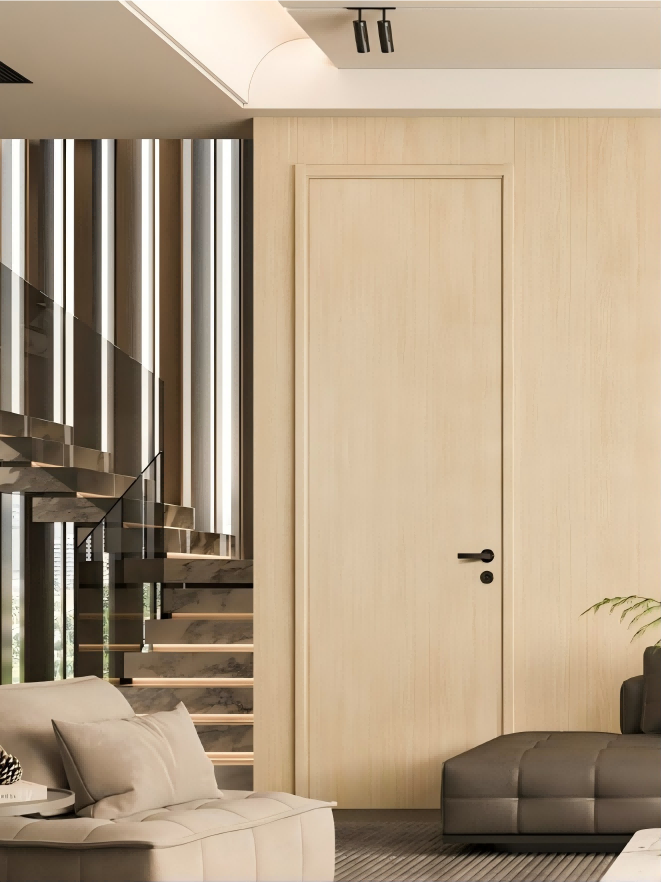
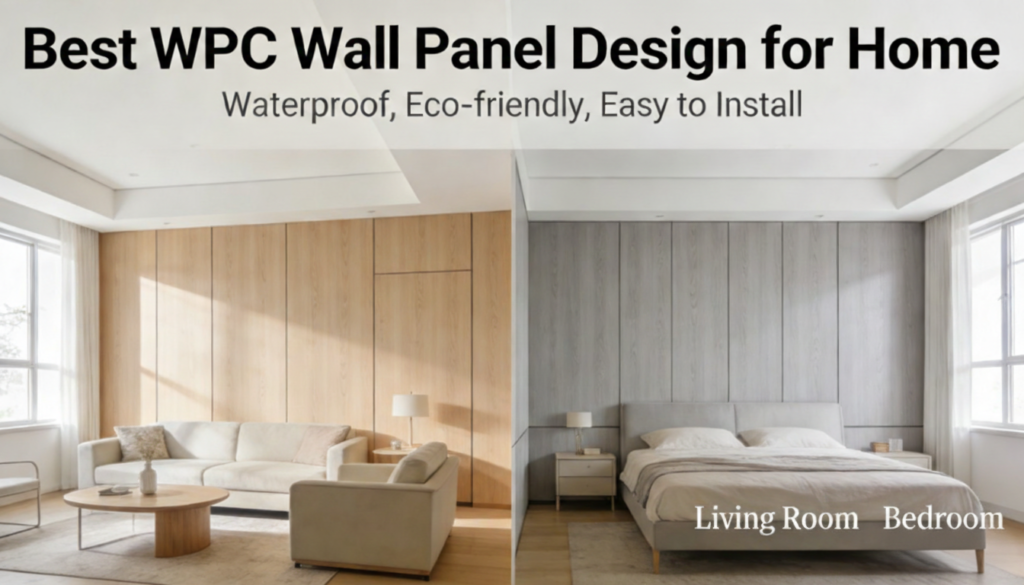
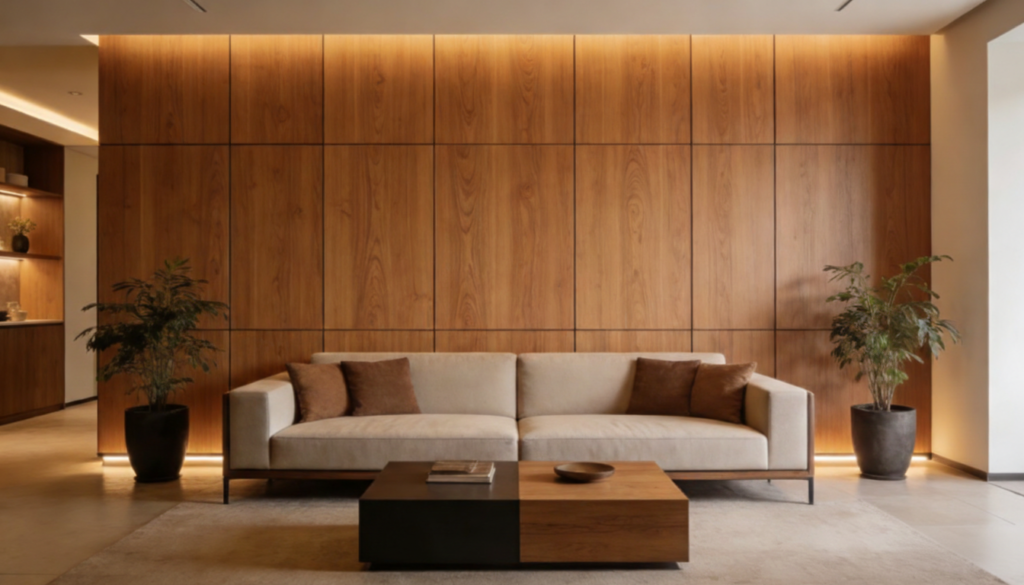
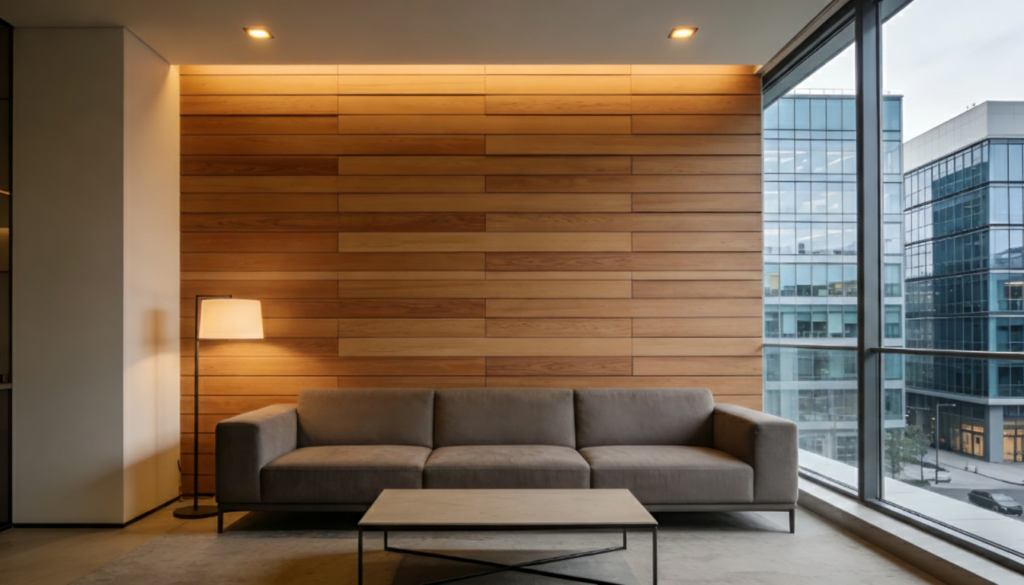
3. Wood Paneling and Shiplap
Wood paneling, particularly shiplap, has become synonymous with modern farmhouse style, though its versatility extends to coastal, Scandinavian, and contemporary designs. This wall treatment adds warmth, texture, and architectural interest to any room.
Shiplap features horizontal wooden boards with characteristic gaps between planks, creating clean lines and visual rhythm. You can paint it white for a crisp, coastal feel, stain it for rustic warmth, or leave it natural for organic appeal. Beyond shiplap, other wood paneling options include board and batten, tongue and groove, and reclaimed wood installations.
Best Room Applications: Living rooms, bedrooms, bathrooms, kitchens (as backsplash), home offices
Style Compatibility: Farmhouse, coastal, rustic, Scandinavian, modern transitional
Approximate Cost Range: $2-$7 per square foot for materials; $4-$14 per square foot installed
Pros:
- Adds significant character and charm
- Hides wall imperfections effectively
- Increases perceived home value
- Durable and long-lasting
- Can be painted or stained
Cons:
- More expensive than paint
- Installation can be time-intensive
- May make small rooms feel smaller
- Trend may eventually date
Installation Difficulty: Moderate to Difficult (requires carpentry skills)
4. Textured Finishes: Venetian Plaster and Stucco
Textured wall finishes bring Old World elegance and dimensional beauty to modern homes. Venetian plaster, a traditional Italian technique, creates smooth, marble-like finishes with subtle variations and luminous depth. Stucco offers a more rustic, Mediterranean aesthetic with rougher textures.
These artisan finishes add sophistication and luxury that flat paint simply cannot achieve. The play of light across textured surfaces creates ever-changing visual interest throughout the day. Modern variations include metallic-infused plasters, tinted finishes, and polished versus matte surfaces.
Best Room Applications: Living rooms, dining rooms, master bedrooms, entryways, bathrooms
Style Compatibility: Mediterranean, Tuscan, contemporary, transitional, luxury traditional
Approximate Cost Range: $8-$15 per square foot for Venetian plaster; $5-$10 per square foot for stucco
Pros:
- Creates unique, high-end appearance
- Extremely durable and long-lasting
- Hides imperfections beautifully
- Low maintenance
- Adds resale value
Cons:
- Requires professional installation
- Higher upfront cost
- Difficult to repair if damaged
- Not ideal for humid environments (some finishes)
Installation Difficulty: Difficult (professional installation strongly recommended)
5. 3D Wall Panels
Three-dimensional wall panels have emerged as one of the most innovative interior wall design ideas of recent years. These panels create dramatic visual impact through geometric patterns, waves, or organic shapes that cast shadows and add depth to flat walls.
Available in materials ranging from lightweight PVC and foam to luxurious wood and MDF, 3D panels offer versatility in both design and budget. They’re particularly effective in creating feature walls that serve as conversation starters without requiring artwork or additional decoration.
Best Room Applications: Living rooms, bedrooms, home theaters, offices, dining rooms
Style Compatibility: Modern, contemporary, transitional, artistic, industrial
Approximate Cost Range: $10-$30 per square foot depending on material
Pros:
- Instant architectural interest
- Variety of patterns and materials
- Can improve room acoustics
- Paintable for custom colors
- Relatively easy installation
Cons:
- Can collect dust in crevices
- May overwhelm small spaces
- More expensive than flat wall treatments
- Difficult to patch or repair individual panels
Installation Difficulty: Moderate (most DIY-friendly with proper tools)
6. Gallery Walls
Gallery walls transform blank spaces into personalized art displays that tell your story. This interior wall design idea involves arranging multiple frames, artwork, photographs, or decorative objects in an intentional composition.
The beauty of gallery walls lies in their flexibility—you can create symmetrical grid layouts for a formal look, or embrace asymmetrical arrangements for eclectic charm. Mix frame sizes, colors, and artwork styles to reflect your personality. Gallery walls work especially well above sofas, in hallways, up stairways, or in any space needing visual interest.
Best Room Applications: Living rooms, hallways, staircases, bedrooms, home offices
Style Compatibility: Any style—adaptable through frame and artwork choices
Approximate Cost Range: $100-$1,000+ depending on frames and artwork
Pros:
- Highly personalizable
- Can evolve over time
- Budget-friendly if using affordable frames
- DIY-friendly
- Easy to change or update
Cons:
- Requires planning for cohesive look
- Multiple holes in walls
- Can look cluttered if poorly executed
- Time-intensive to arrange perfectly
Installation Difficulty: Easy to Moderate (planning is key)
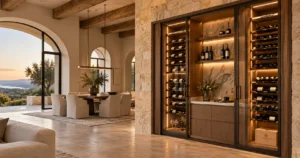
7. Stone or Brick Feature Walls
Exposed brick or stone walls bring natural beauty, texture, and authenticity to interior spaces. Whether you’re fortunate enough to have existing brick to expose or you’re installing stone veneer, these materials create unmatched character and timeless appeal.
Real brick or stone offers genuine texture and thermal mass, while modern stone veneer and brick panels provide the look at a fraction of the weight and cost. These features work beautifully in both urban lofts and suburban homes, adding rustic charm or industrial edge depending on styling.
Best Room Applications: Living rooms, dining rooms, kitchens (as backsplash), bedrooms, basements
Style Compatibility: Industrial, rustic, farmhouse, urban loft, transitional
Approximate Cost Range: $10-$45 per square foot for stone veneer; $15-$30 per square foot to expose existing brick; $8-$20 for faux brick panels
Pros:
- Extremely durable
- Adds significant character
- Low maintenance once sealed
- Increases home value
- Natural temperature regulation
Cons:
- Permanent installation
- Can darken rooms
- Expensive for real materials
- Professional installation recommended
- May not suit all home styles
Installation Difficulty: Difficult (professional recommended for stone veneer and brick exposure)
8. Wall Murals and Artistic Designs
Wall murals have evolved from children’s room novelties to sophisticated design statements for adult spaces. Modern murals range from photorealistic landscapes to abstract artistic expressions, geometric patterns to trompe-l’oeil designs that trick the eye.
You can commission custom murals from local artists, use large-format wallpaper murals, or tackle DIY projects with projectors and paint. The scale and impact of murals make them perfect for creating focal points or transforming entire rooms into immersive environments.
Best Room Applications: Bedrooms, dining rooms, home offices, children’s rooms, media rooms
Style Compatibility: Any style depending on mural choice—modern, bohemian, traditional, eclectic
Approximate Cost Range: $500-$5,000+ for custom painted murals; $200-$800 for wallpaper murals; $50-$300 for DIY projects
Pros:
- Creates unique, one-of-a-kind spaces
- Dramatic visual impact
- Can make rooms appear larger (with perspective murals)
- Highly customizable
Cons:
- Expensive for custom work
- Difficult to change
- May overwhelm small spaces
- Can be challenging to coordinate with furniture
Installation Difficulty: Easy (wallpaper murals) to Difficult (custom painted murals requiring professional artists)
9. Wainscoting and Decorative Molding
Wainscoting and decorative molding represent classic wall treatments that have graced elegant homes for centuries. These architectural details add formality, protection, and visual interest to walls while breaking up vertical space.
Traditional wainscoting typically covers the lower third of walls with wood panels, while chair rail molding runs horizontally at chair-height. Modern interpretations include board and batten, picture frame molding, and simplified panel designs that work in contemporary spaces. Paint the molding and wall in contrasting colors for maximum impact, or use tone-on-tone for subtle sophistication.
Best Room Applications: Dining rooms, hallways, bathrooms, bedrooms, living rooms
Style Compatibility: Traditional, transitional, colonial, craftsman, modern farmhouse
Approximate Cost Range: $5-$20 per linear foot for materials; $10-$40 per linear foot installed
Pros:
- Adds architectural character
- Protects lower walls from damage
- Increases perceived home value
- Timeless appeal
- Paintable for style changes
Cons:
- Can make rooms feel formal
- Installation requires precision
- More expensive than simple paint
- May not suit ultra-modern aesthetics
Installation Difficulty: Moderate to Difficult (requires carpentry skills)
10. Fabric and Upholstered Walls
Fabric-covered or upholstered walls introduce luxury, warmth, and exceptional sound-dampening qualities to rooms. This sophisticated treatment involves applying fabric to walls using various methods—stretched over batting for soft upholstery, applied with liquid starch for temporary installations, or mounted on panels for easy replacement.
Beyond aesthetics, fabric walls offer practical benefits including improved acoustics, additional insulation, and the ability to hide severely damaged walls. Choose from endless fabric options ranging from linen and velvet to silk and leather.
Best Room Applications: Bedrooms, home theaters, dining rooms, offices, powder rooms
Style Compatibility: Luxury traditional, Hollywood Regency, contemporary, boutique hotel style
Approximate Cost Range: $3-$30 per square foot depending on fabric choice and installation method
Pros:
- Luxurious appearance and feel
- Excellent sound absorption
- Adds warmth and texture
- Hides wall imperfections
- Unique design element
Cons:
- Can collect dust and allergens
- Difficult to clean
- Professional installation recommended for padded upholstery
- More expensive than paint
- May absorb odors in kitchens or smoking households
Installation Difficulty: Moderate to Difficult depending on method
11. Geometric Paint Patterns
Geometric paint patterns offer bold, cost-effective ways to create custom wall designs. From chevron stripes and hexagons to triangles and color-blocked sections, geometric patterns add modern flair and visual rhythm to any space.
The key to successful geometric patterns lies in precise measuring, quality painter’s tape, and patience during execution. Popular techniques include ombre gradients, two-tone horizontal or vertical stripes, and complex multi-color geometric shapes. These designs work particularly well in contemporary, mid-century modern, and transitional spaces.
Best Room Applications: Nurseries, children’s rooms, home offices, powder rooms, accent walls in living areas
Style Compatibility: Modern, contemporary, mid-century modern, eclectic
Approximate Cost Range: $100-$400 for DIY projects including quality paint and supplies
Pros:
- Budget-friendly
- Completely customizable
- DIY-friendly with patience
- Easy to paint over if desired
- Creates major visual impact
Cons:
- Time-intensive and requires precision
- Mistakes are difficult to fix
- Can look amateur if poorly executed
- May limit future décor choices
Installation Difficulty: Moderate (requires patience and precision)
12. Minimalist Textured Paint Techniques
For those seeking subtle sophistication, textured paint techniques offer dimension without bold patterns or colors. These techniques include sponging, ragging, color washing, dragging, and stippling to create depth and visual interest through texture rather than pattern.
Modern textured paint applications have moved beyond the heavy-handed techniques of the past toward refined, barely-there effects that add richness to neutral walls. Limewash paint has gained particular popularity for its soft, matte finish with subtle variations that mimic aged plaster.
Best Room Applications: Any room, particularly effective in spaces requiring subtle sophistication
Style Compatibility: Transitional, modern, Mediterranean, coastal, Scandinavian
Approximate Cost Range: $200-$600 for materials for average room
Pros:
- Adds subtle dimension
- Hides minor wall imperfections
- Sophisticated appearance
- Relatively affordable
- DIY-possible with practice
Cons:
- Requires technique practice
- Can look dated if poorly executed
- Difficult to achieve consistent results
- Time-consuming application
Installation Difficulty: Moderate (practice recommended)
How to Choose the Right Wall Design for Your Space
Selecting the perfect wall design involves balancing aesthetics, practicality, and budget. Here’s how to navigate your options strategically.
Consider Your Room Size and Proportions
Small rooms benefit from light colors and subtle textures that don’t overwhelm the space. Vertical patterns like board and batten or vertical stripes can make low ceilings appear higher, while horizontal elements like shiplap can make narrow rooms feel wider. Large rooms can handle bold patterns, dark colors, and dramatic treatments like stone walls or extensive murals without feeling cramped.
Evaluate Your Lighting Situation
Natural light affects how wall designs appear throughout the day. Textured finishes like Venetian plaster create beautiful shadow play in well-lit rooms but may look flat in dimly lit spaces. Dark accent walls require adequate lighting to prevent rooms from feeling cave-like. Consider how your wall design will look in both natural daylight and artificial evening light before committing.
Establish Your Budget and Timeline
Wall design costs vary dramatically—from under $100 for DIY painted accent walls to several thousand dollars for custom murals or extensive stonework. Consider not just material costs but also professional installation fees, potential wall preparation expenses, and long-term maintenance. If you’re working with a tight budget, prioritize one stunning feature wall over mediocre treatments throughout a room.
Think About Maintenance Requirements
Some wall designs require minimal upkeep, while others demand regular attention. Painted walls are easy to touch up, while fabric walls may need periodic cleaning or eventual replacement. Textured surfaces can collect dust in crevices. If you have young children or pets, durability and cleanability should influence your choice. Washable paint finishes and wipeable wallpapers offer practical solutions for high-traffic areas.
Consider Resale Value and Timelessness
While you should design for your personal enjoyment, extremely bold or unusual choices may limit buyer appeal when selling. Classic treatments like wainscoting, subtle accent walls, and quality wood paneling typically add value. Highly personalized murals or extreme color choices may need to be neutralized before listing your home. Strike a balance between expressing your style and maintaining broad appeal.
Current Wall Design Trends for 2024-2025
The latest home wall decorating trends reflect growing environmental consciousness, technological integration, and a desire for personalized spaces that promote wellbeing.
Emerging Color Palettes
Warm, earthy neutrals continue dominating, with terracotta, sage green, warm grays, and creamy whites leading the pack. However, we’re seeing renewed interest in deeper, moodier tones—forest greens, navy blues, and charcoal grays—creating cozy, enveloping spaces. Color drenching, where walls, trim, and ceilings share the same hue, creates cohesive, sophisticated environments.
Biophilic design influences color choices, with nature-inspired greens, blues, and earthy browns bringing the outdoors inside. Two-tone walls, where different colors meet horizontally along walls, offer fresh takes on traditional color blocking.
Sustainable and Eco-Friendly Options
Environmentally conscious homeowners increasingly choose sustainable wall treatments. Clay plasters, natural lime washes, and low-VOC paints minimize indoor air pollution while offering beautiful, organic finishes. Reclaimed wood paneling and recycled metal panels satisfy both aesthetic and environmental goals.
Wallpapers made from grasscloth, cork, and other renewable materials combine sustainability with style. Even peel-and-stick options now come in eco-friendly versions using water-based adhesives and recyclable materials.
Smart Wall Technologies
Technology integration represents the frontier of wall design innovation. Magnetic paint allows walls to function as interactive surfaces. Projection paint transforms walls into movie screens. Smart wallpapers with embedded LED lighting create ambient illumination and dynamic patterns.
Acoustic panels designed as decorative wall elements improve sound quality while adding visual interest—perfect for home offices and media rooms. Some manufacturers offer panels with integrated wireless charging capabilities and USB ports, blending function with design.
Frequently Asked Questions
What is the most cost-effective wall design for a quick room refresh?
Accent walls using bold paint colors offer the most budget-friendly impact, typically costing $50-$200 for materials and achievable in a weekend DIY project. Peel-and-stick wallpaper comes in at a close second, offering dramatic transformation without long-term commitment, with costs ranging from $100-$400 depending on room size.
Which wall designs work best in small rooms?
Light-colored paint, vertical patterns, and subtle textures work best in small spaces. Avoid dark colors and busy patterns that make rooms feel cramped. One accent wall in a small room can add interest without overwhelming the space. Mirrors and reflective finishes help small rooms feel larger.
Are textured walls still in style?
Yes, but modern textured walls emphasize subtle sophistication over heavy-handed techniques from past decades. Venetian plaster, limewash finishes, and 3D panels represent current interpretations of wall texture. The key is restraint and intentionality rather than texture for texture’s sake.
How long does it take to install different wall designs?
Installation timelines vary significantly. Simple paint projects take 1-2 days including prep and drying time. Wallpaper installations range from one day for peel-and-stick to several days for traditional wallpaper in large rooms. Shiplap and wood paneling typically require 3-5 days. Complex projects like Venetian plaster or custom murals may take a week or more.
Can I install wall designs myself or should I hire professionals?
Paint projects, peel-and-stick wallpaper, and gallery walls are highly DIY-friendly. Moderate skill projects include geometric paint patterns, simple shiplap, and 3D panels. Professional installation is strongly recommended for traditional wallpaper, Venetian plaster, stone veneer, complex wood paneling, and custom murals. Consider your skill level, available time, and the project’s permanence when deciding.
Which wall designs add the most value to a home?
Classic treatments like wainscoting, quality wood paneling, and neutral accent walls typically provide the best return on investment. Professional Venetian plaster and exposed brick (if done well) also add value. Avoid highly personalized choices like bold murals or extreme colors that may limit buyer appeal. Focus on quality materials and professional installation for features intended to boost resale value.
Conclusion
The most popular wall designs for homes in 2024-2025 offer something for every style preference, skill level, and budget. From the timeless elegance of wainscoting to the modern drama of 3D panels, your walls present incredible opportunities to express your personal style while enhancing your home’s value and livability.
Remember that the best wall design for your space balances aesthetic appeal with practical considerations like room size, lighting, budget, and maintenance requirements. Don’t be afraid to start small—a single accent wall can completely transform a room’s atmosphere without major investment or commitment.
Whether you choose the coastal charm of shiplap, the luxury of Venetian plaster, or the personalization of a gallery wall, invest in quality materials and proper installation. Your walls are long-term design commitments that influence your daily experience of your home.
Ready to transform your walls? Start by identifying which room needs the most attention, establish your budget, and explore the design options that resonate with your style. Don’t hesitate to request paint samples, wallpaper swatches, or material samples before committing. Your perfect wall design awaits—make it a reflection of your unique personality and lifestyle.